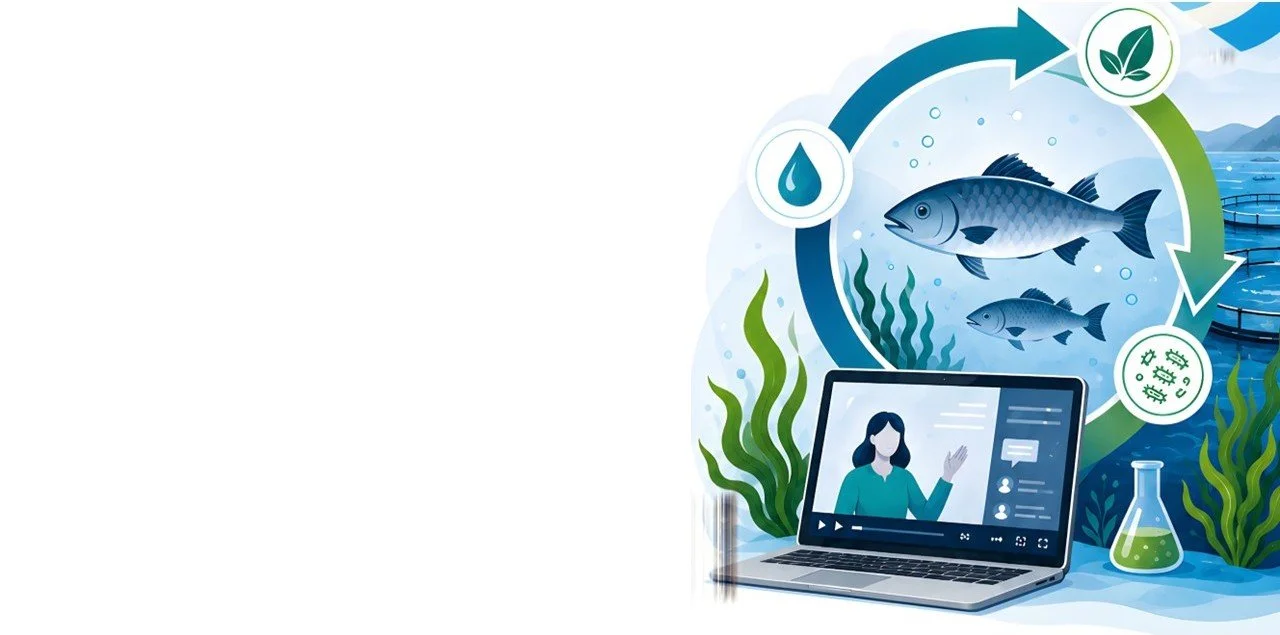
Researching circular bio-economy solutions for sustainable aquaculture in Europe
Session 1: Monday 15th June, 14:00 - 17:15 CEST
Introduction & Chair - Piotr Eljasik, West Pomeranian University of Technology (SAFE)
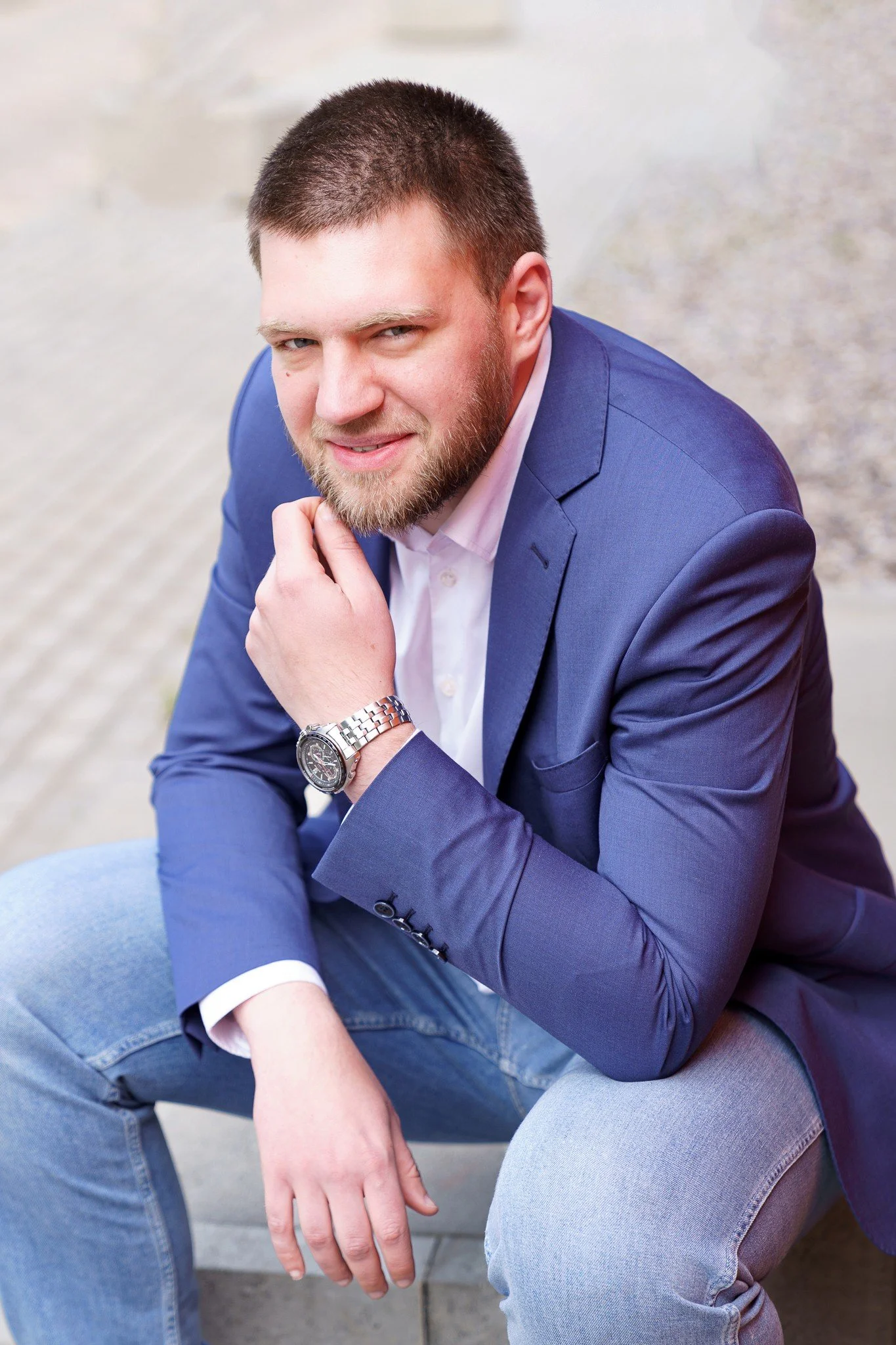
Piotr Eljasik is a Research Associate at the Faculty of Food Sciences and Fisheries, West Pomeranian University of Technology in Szczecin (ZUT), Poland. His current research interest centres on the capture and valorisation of waste streams from pond aquaculture, including sediment management, nutrient recovery through aquatic plants, and cascade utilisation pathways, framed within a circular economy approach to freshwater food systems. He has been involved in several EU-funded projects addressing sustainable aquaculture, including SEAFOODTOMORROW, GAIN, SAFE, BLUEBOOST, and OCCAM.
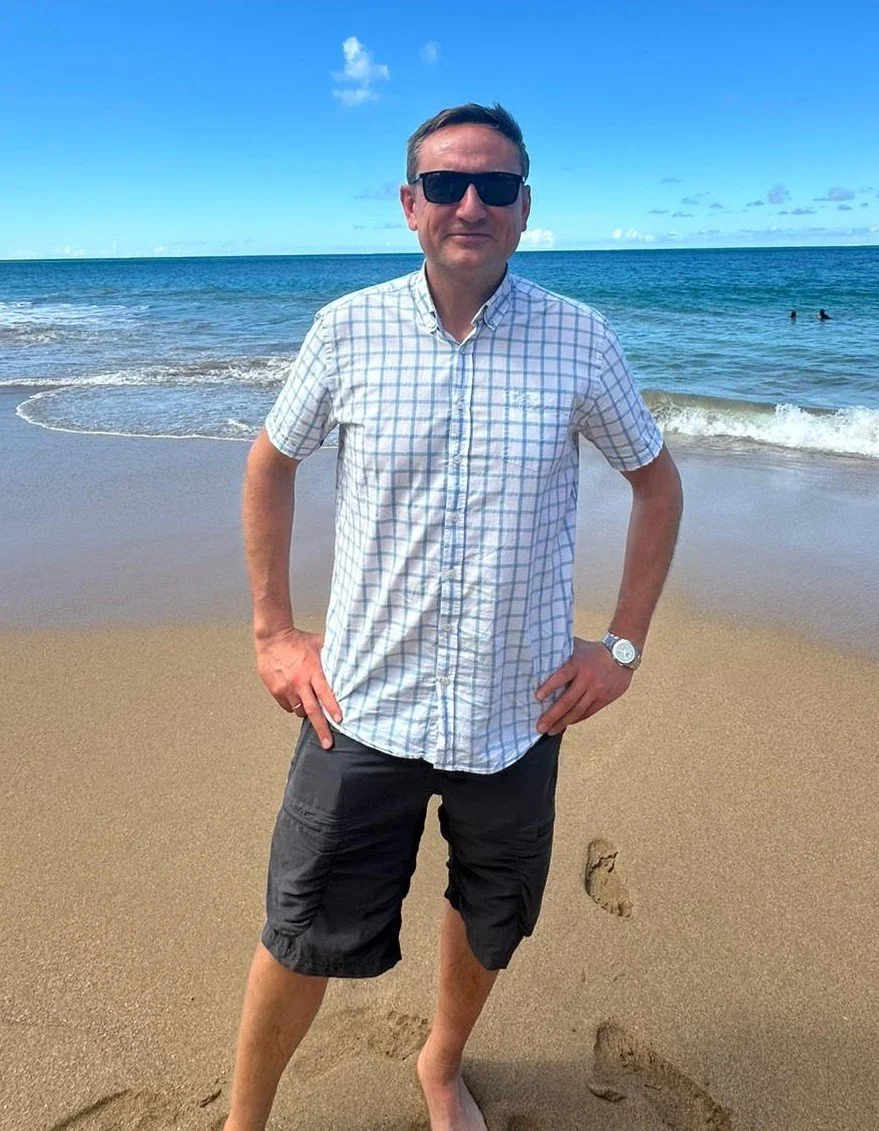
Presentation 1 (14:20): From Waste to Value in Freshwater Aquaculture: Circular Solutions and Cross-Sector Synergies. Remigiusz Panicz, West Pomeranian University of Technology (SAFE)
Remigiusz (Remi) Panicz is Professor at the Faculty of Food Sciences and Fisheries (ZUT in Szczecin). He has 20 years’ experience in freshwater aquaculture with special emphasis on fish nutrition, diseases, physiology, but also on sequestration, characterisation, and management of aquaculture waste streams. Remi has a long-standing cooperation with the freshwater aquaculture industry in CE Europe (e.g. ICR, H2O) and a good track record of participation in national (EMFF), transnational (EEA) and EU (CERES, SEAFOODTOMORROW, GAIN, SAFE, BLUEBOOST, OCCAM) projects focused on the sustainable development of freshwater aquaculture.
Presentation 2 (14:50): Mealworm in circular bioeconomy. Pablo Ramierez, Tebrio (SAFE)
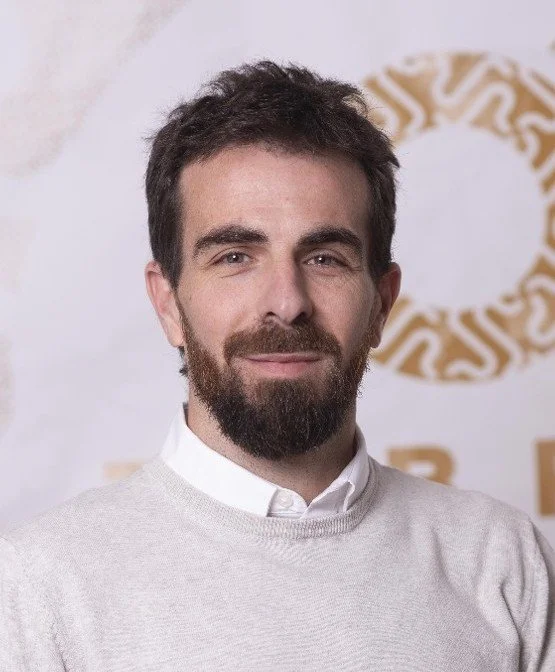
Pablo Ramirez is a biologist with an MBA and over ten years of experience across the pharmaceutical, biotechnology, and agrifood sectors. Since February 2025, he has served as R+D Director at Tebrio, where he leads the company’s innovation strategy and directs the development of high-value ingredients derived from the insect Tenebrio molitor. His work focuses on harnessing the potential of insect-based biotechnology to generate sustainable and functional solutions for feed, agriculture, and other industrial applications. Throughout his career, he has promoted innovation and scientific collaboration between academia and industry, contributing to the transformation of research insights into commercially viable technologies. Pablo has held various positions in innovation, medical affairs, and business development at Horizon Products, Bioiberica, and Novartis, where he contributed to the creation of new products, strategic partnerships, and R&D initiatives linking science and market needs. His career has been defined by a strong interest on advancing bio-based technologies that promote a circular and sustainable economy.
Presentation 3 (15:20): Circular water reuse: Insights from AWARE case study. Cristina Pablos Carro, Universidad Rey Juan Carlos (AWARE)
Cristina Pablos Carro is Assistant Professor of Environmental Science at Rey Juan Carlos University (Madrid, Spain); and responsible for the biological assays of Water Analytical Laboratory (LAGUA) at the same University. She has been working in Advanced Oxidation Processes (AOPs) for more than 15 years, especially in wastewater disinfection with reusing purposes. She has taken advantage of her microbial skills and knowledge in AOPs to get involved in innovative researching areas focused on the development of novel emerging food safety technologies.
Scopus: 25947708400
Google Scholar: GZ_ZdX8AAAAJ
ORCID: 0000-0002-3704-4790
LinkedIn: https://www.linkedin.com/in/cristina-pablos-carro-848617a2/
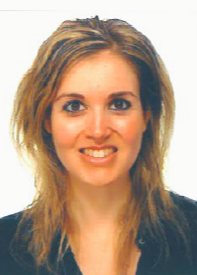
Presentation 4 (16:00): Food safety in the AWARE aquaponic system. Marta López Cabo, Marine Research Institute, Vigo (AWARE)
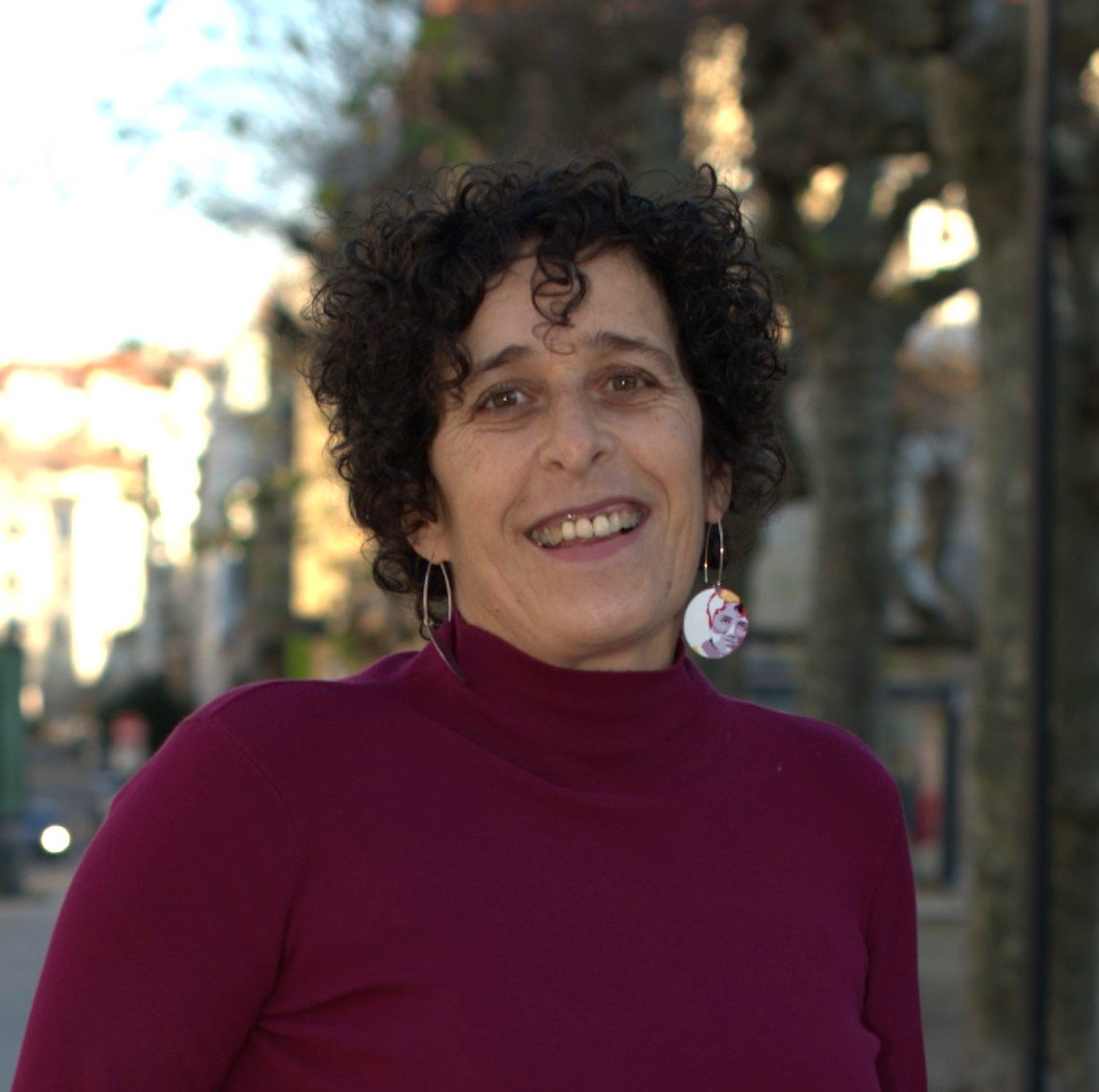
Marta López Cabo has a PhD from the University of Santiago de Compostela (Galicia, Spain), and developed her scientific career at the Marine Research Institute (IIM‑CSIC, Spain), where the Food and Environmental Microbiology Group (MicroSAFE) has been led since 2010. Research activities focus on the design and application of effective strategies to improve the microbiological quality and safety of foods along the value chain. Over the past two decades, one of the main scientific interests has centered on assessing the risks associated with mono‑ and multispecies biofilms of Listeria monocytogenes in food processing environments. Additionally, work has also focused on the identification and characterization of emerging microbiological risks in fishery and aquaculture food chains, through participation in several research projects aimed at ensuring microbiological safety in sustainable aquaculture systems.
LinkedIn: https://www.linkedin.com/in/marta-lopez-cabo-45569a314/
Presentation 5 (16:30): Regenerative bioeconomy case study from Chile. Rodrigo Morales Vera, Universidad Catolica del Maule (AWARE)
Dr. Rodrigo A. Morales Vera is a Chilean academic specializing in biotechnology of natural resources and the circular bioeconomy. He is affiliated with the Universidad Católica del Maule (UCM), where his research focuses on the bioconversion of agro-industrial residues into high-value products, including biomaterials, biopolymers, and fungal-based solutions. His work integrates microbial processes, the valorization of lignocellulosic waste, and life cycle thinking to advance sustainable and regenerative production systems, contributing to the development of regional bio-based value chains that promote environmental sustainability and strengthen local economic resilience.
ResearchGate: https://www.researchgate.net/profile/Rodrigo-Morales-Vera
LinkedIn: https://www.linkedin.com/in/romove/