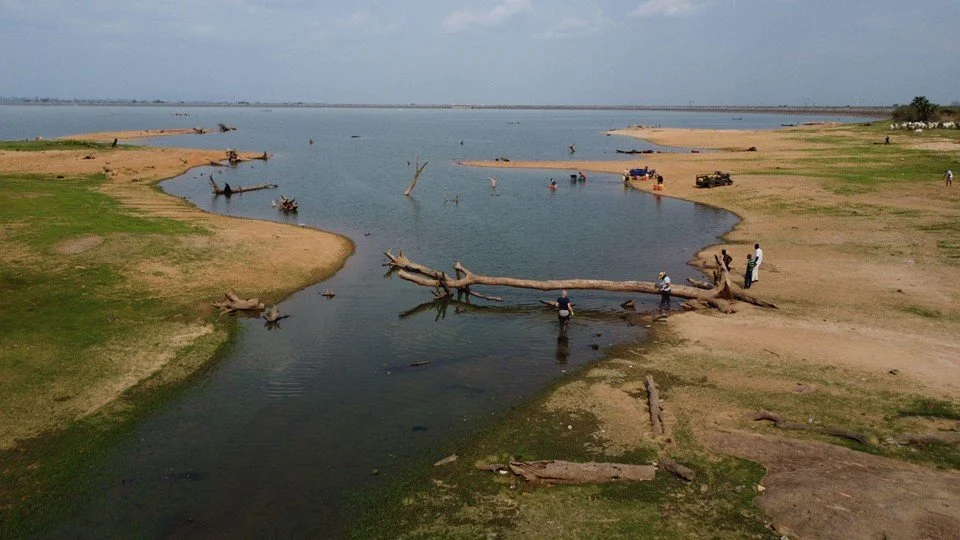
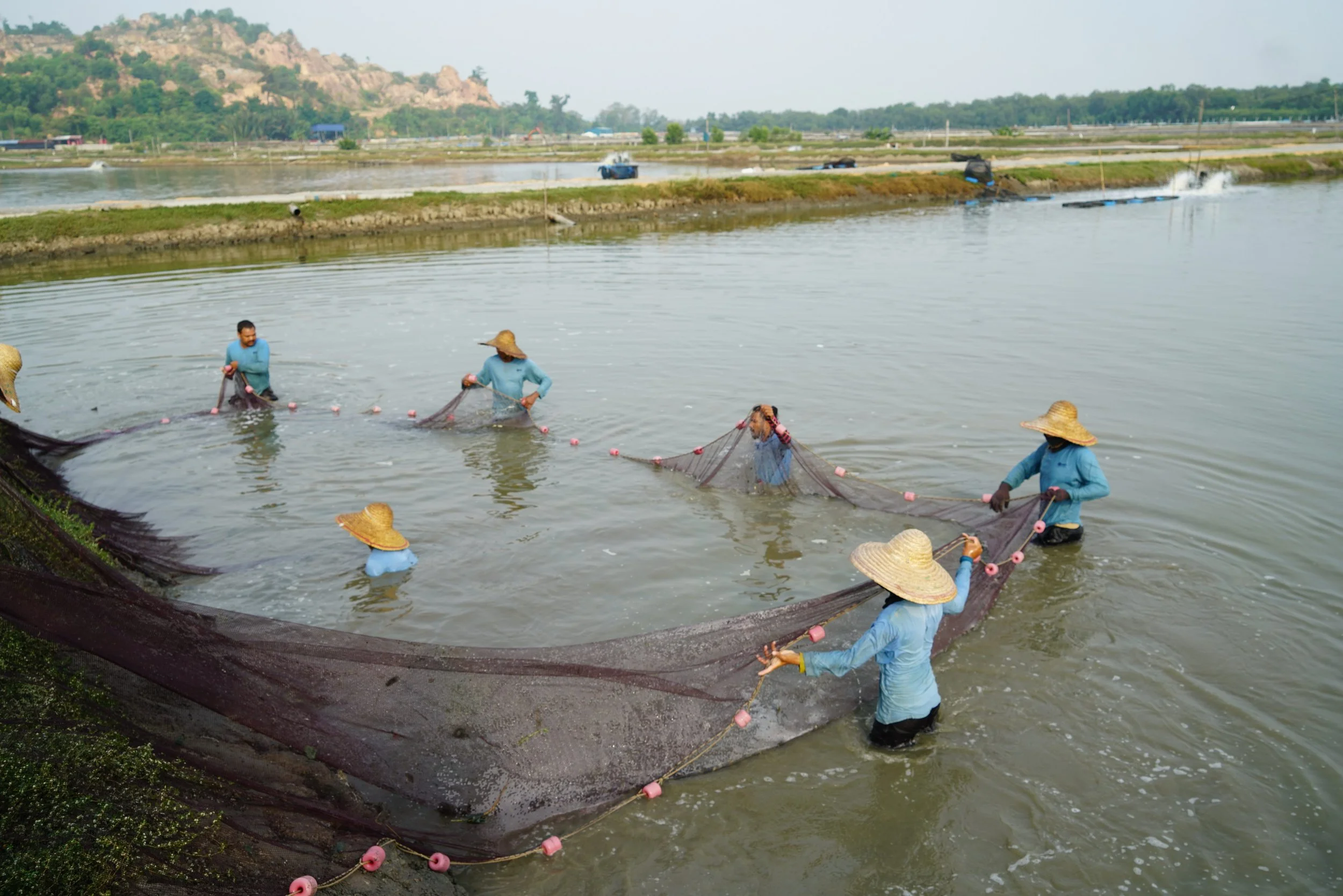
We engage in research, education, training, consultancy and development activities that foster long term resilience and sustainability of the aquatic food sector. Our ethos emphasises collaboration, interdisciplinarity and international cooperation. We especially focus on the wide variety of aquaculture systems and the value chains within which they operate. Expertise of members ranges across aquaculture systems, biology and health, economics, sociology, environmental assessments, the circular economy and Life Cycle Assessment.
Click on the photos below to explore thematic areas of our work
Under the EU and UKRI funded SAFE project, Susaquastirling.net members led on the organisation of a three-session online Summer School to share research findings.
Dr Adam Brooker introduces the Airlectric project, a collaboration between the University of Stirling, Pneuma International Ltd. and Bakkafrost Scotland, funded by BBSRC.
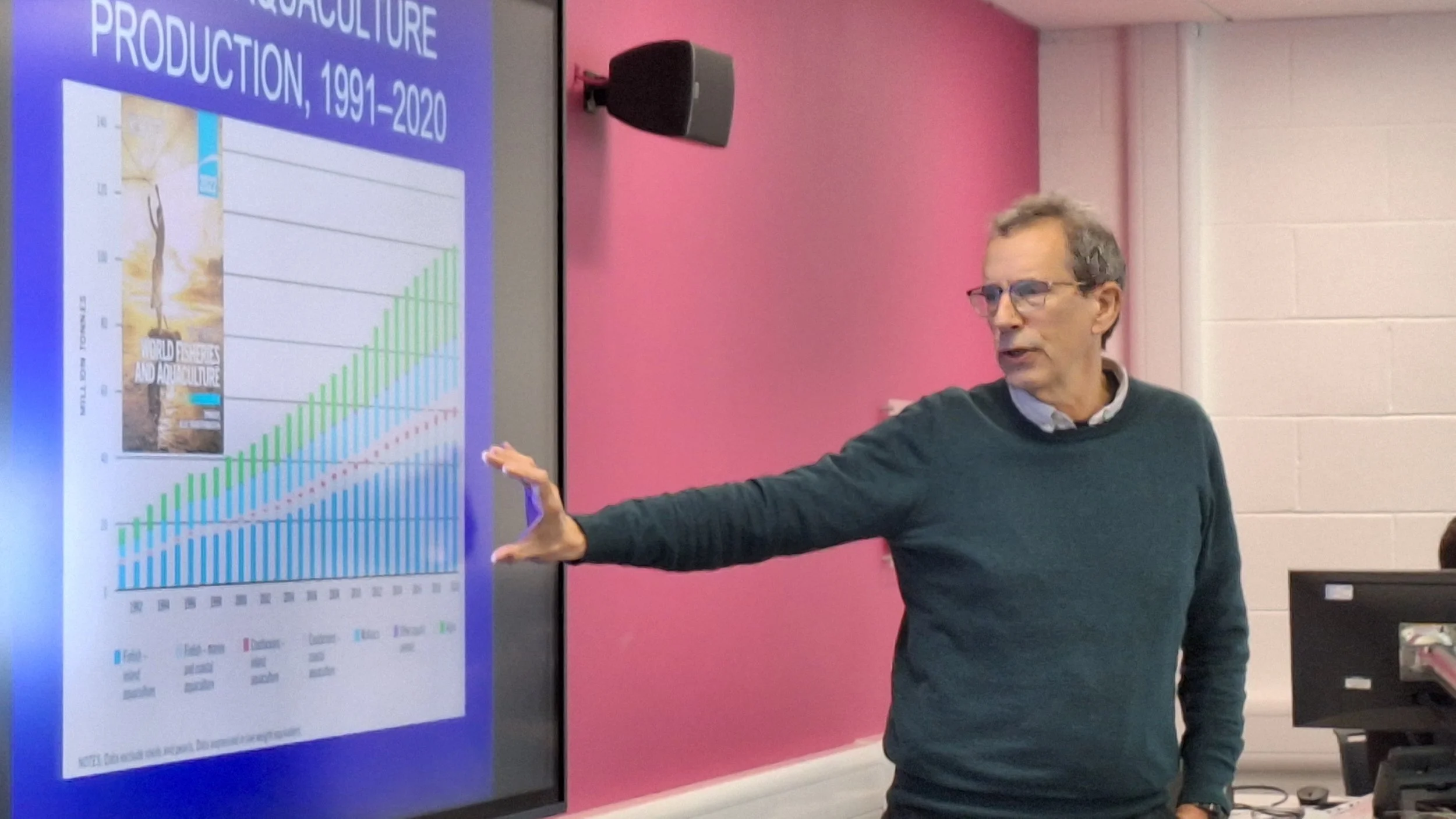
Revisit the presentation given at the Institute of Aquaculture on 4th March 2026 by Professor Dave Little.
Björn Kok and Dr Wesley Malcorps share a recently published and groundbreaking article on how changes in diet composition of European aquaculture species is affecting different sustainability metrics.
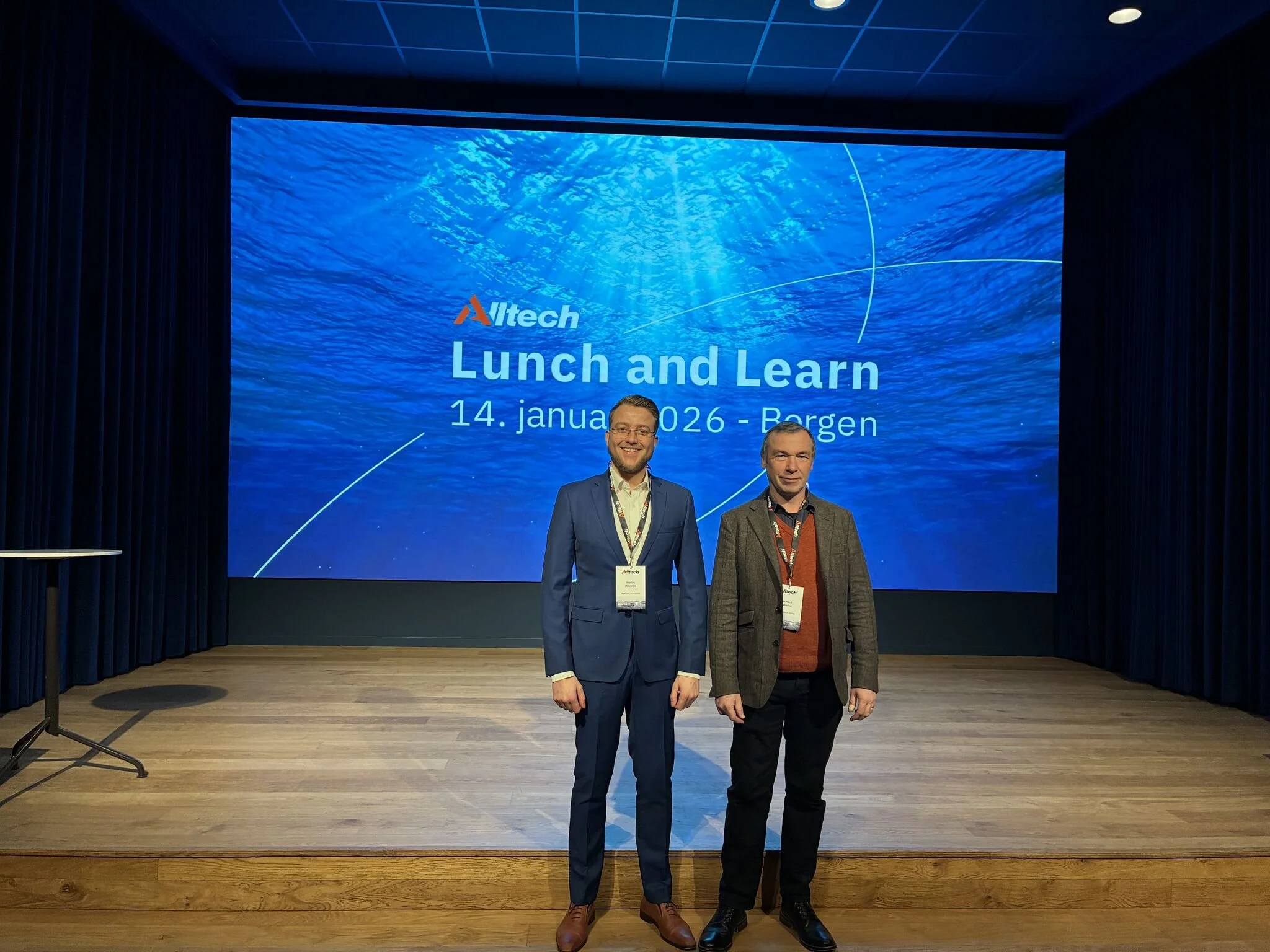
Richard Newton and Wesley Malcorps participated in the Alltech Aqua Norway Lunch & Learn Event held in Bergen on 14th January 2026.
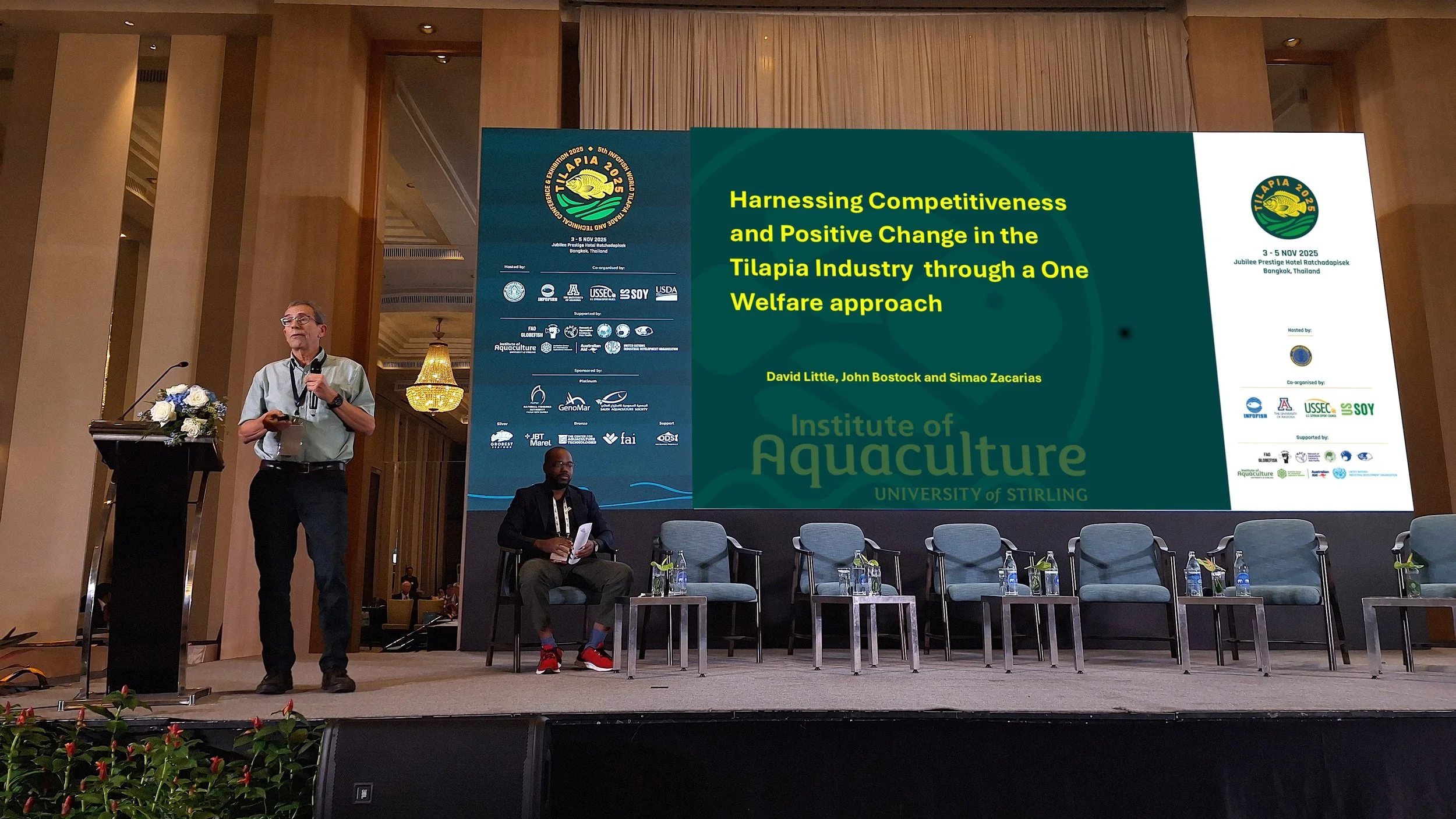
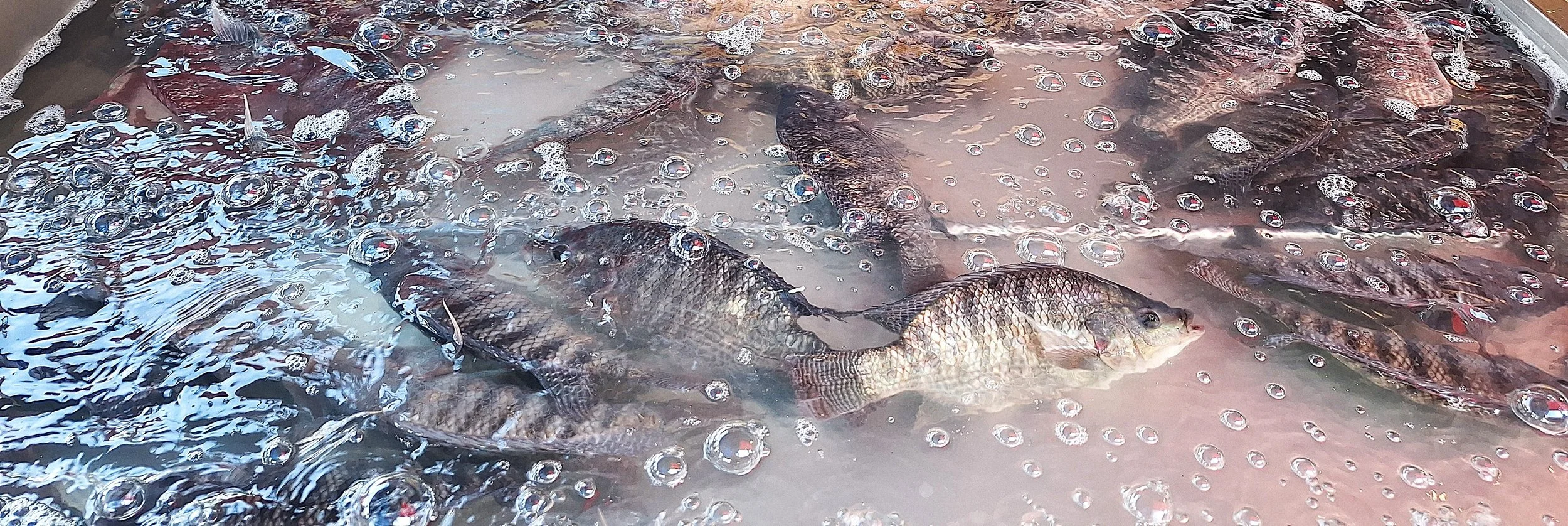
Sustainable Aquaculture @ Stirling members played an active role in the 5th INFOFISH World Tilapia Trade and Technical Conference and Exhibition held in Bangkok in November 2025.
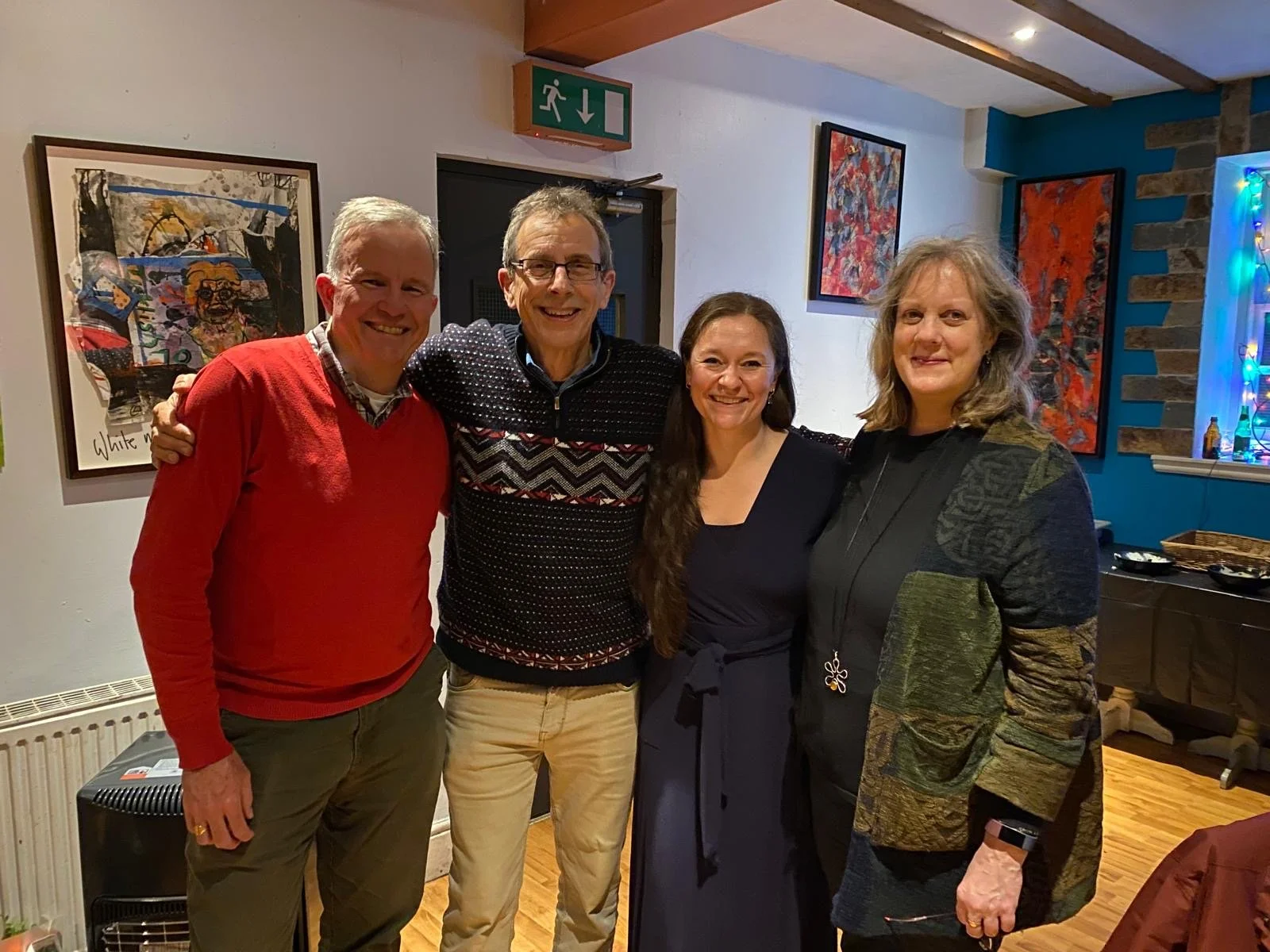
The Institute of Aquaculture community converged on the Holy Trinity Church Hall on the evening of 17th October for its annual International Food Night
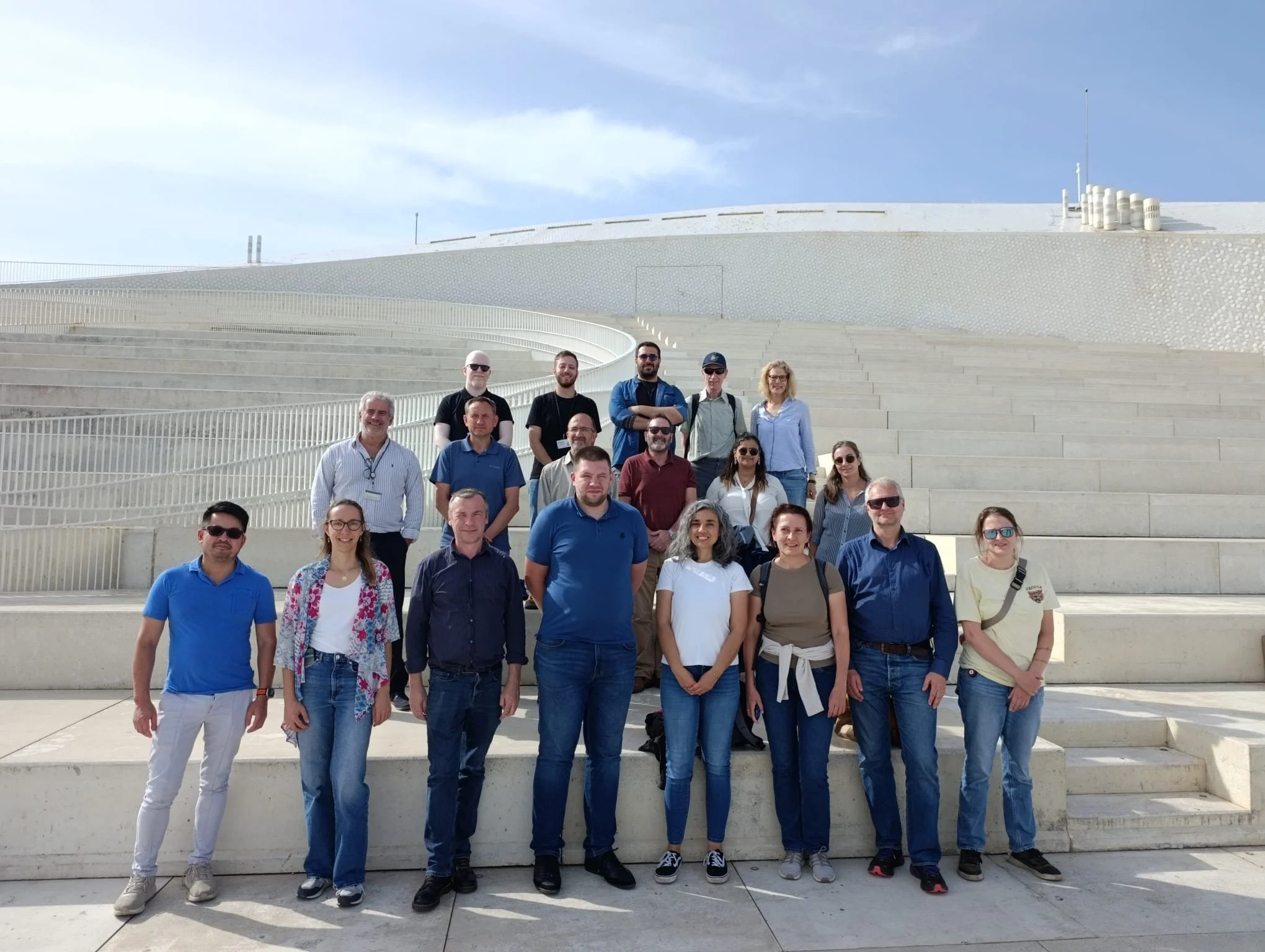
Richard Newton and John Bostock recently attended the annual consortium meeting for the SmartAqua4FuturE project which was hosted by CIIMAR in Porto, Portugal.
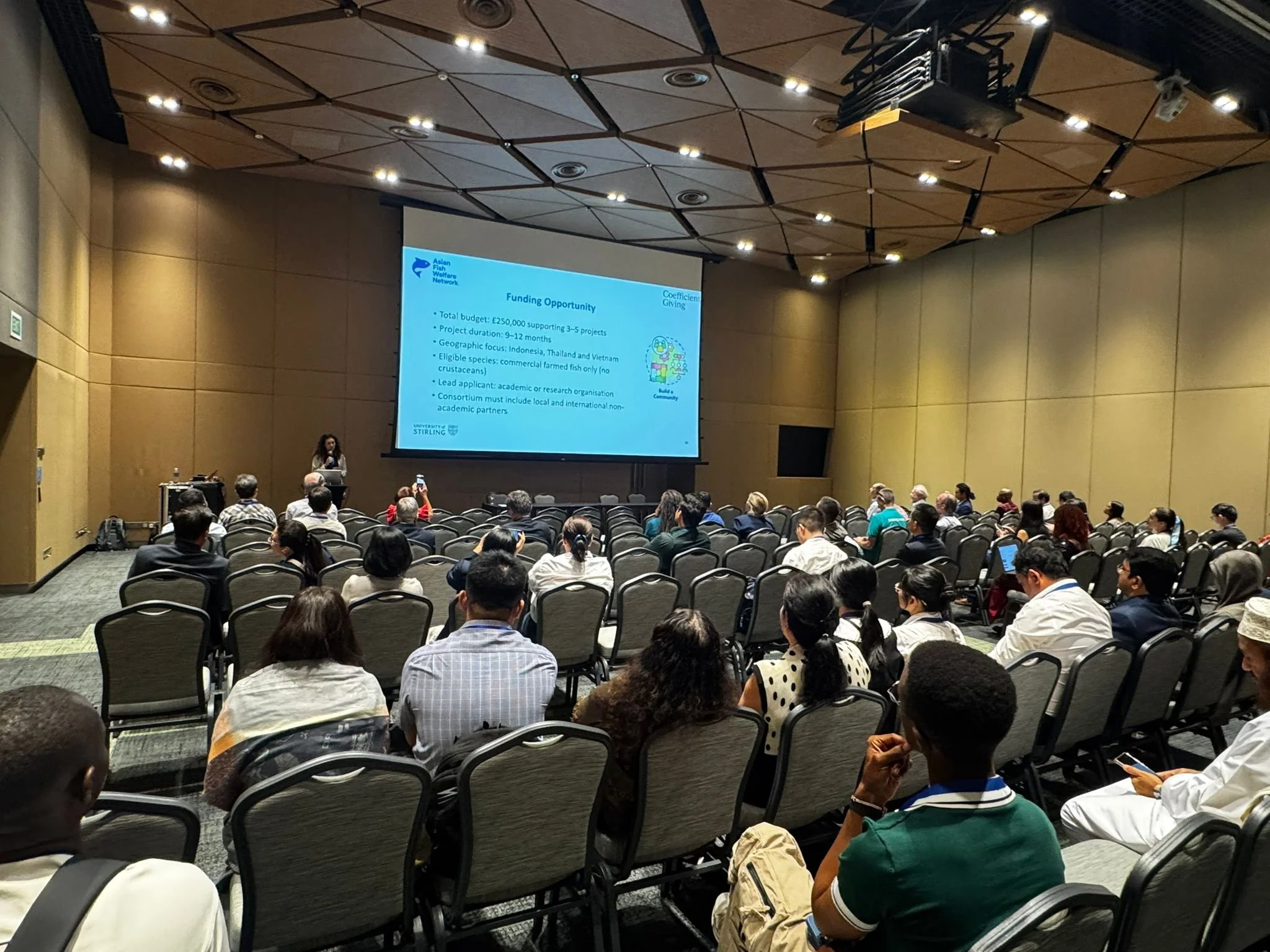
New funding from Open Philanthropy will enable the Institute of Aquaculture to build on the successes of the “Improving Farmed Fish Welfare in Asia” Project and develop an Asian Fish Welfare Network
A consumer survey has been developed and launched as part of the SAFE project to gain further insight into people’s consumption patterns and attitudes towards aquaculture produced fish
Richard Newton wins the Judges’ Special Recognition Award at the AquacultureUK 2025 Aquaculture Awards ceremony.
Dr Richard Newton introduces a new metric to measure the efficient utilisation of marine ingredients in aquaculture feeds
Dr Wesley Malcorps introduces this new company venture providing sustainability assessment services to the aquaculture value chain
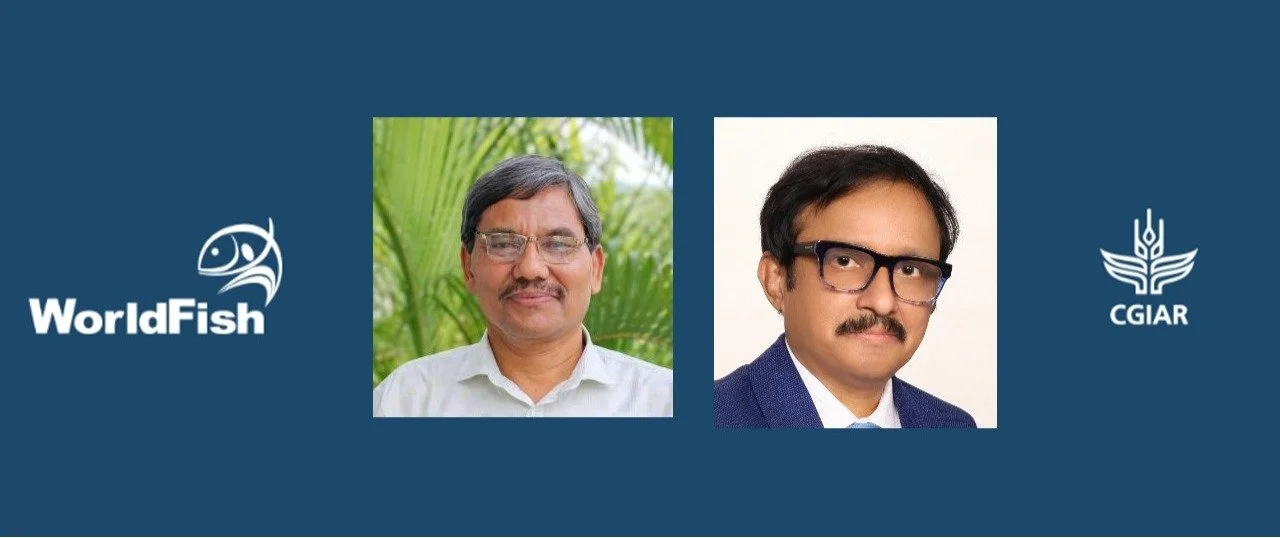
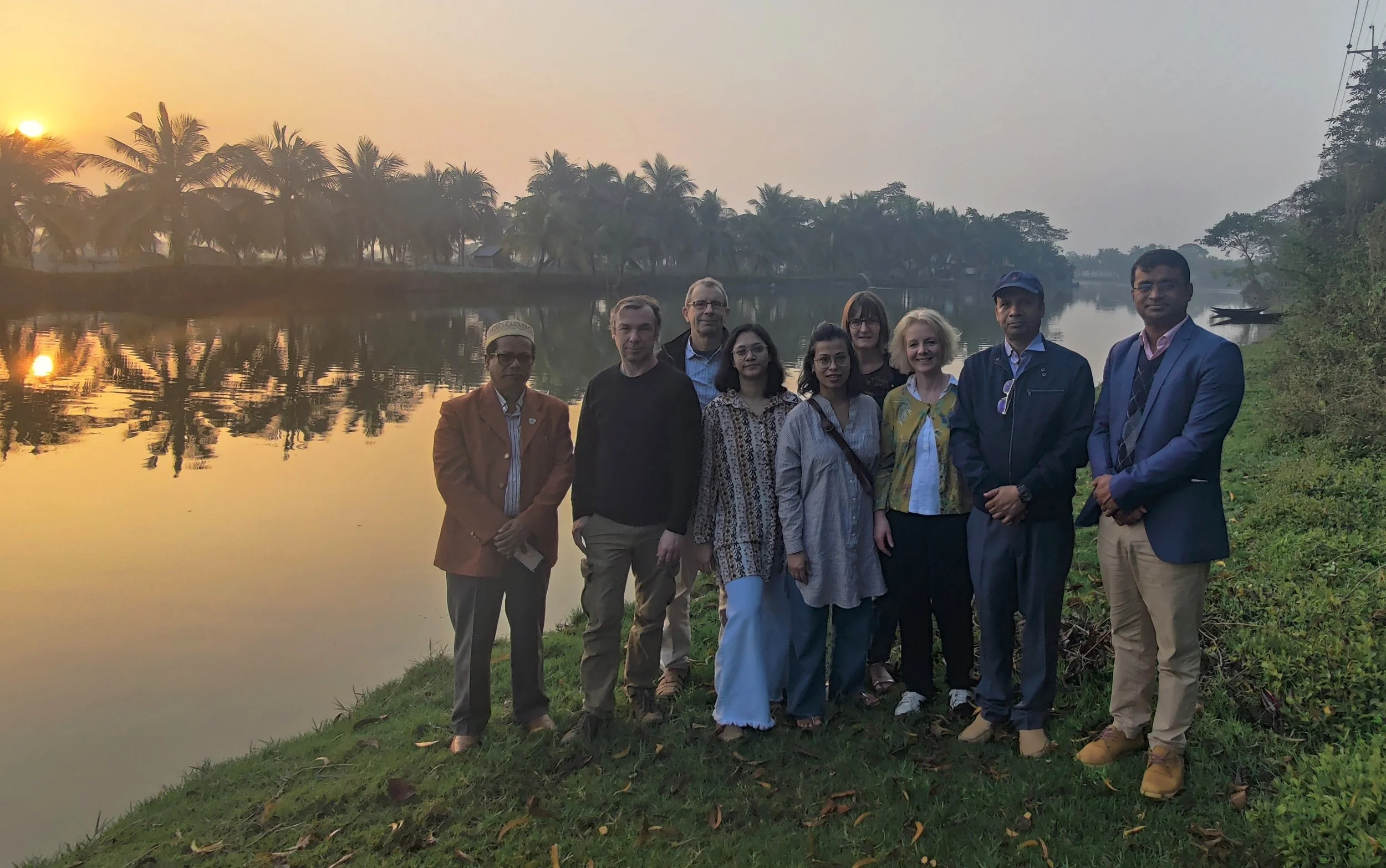
Congratulations to Drs Faruk Ul Islam (Shamin) and Benoy Barman for their recent senior appointments with Worldfish
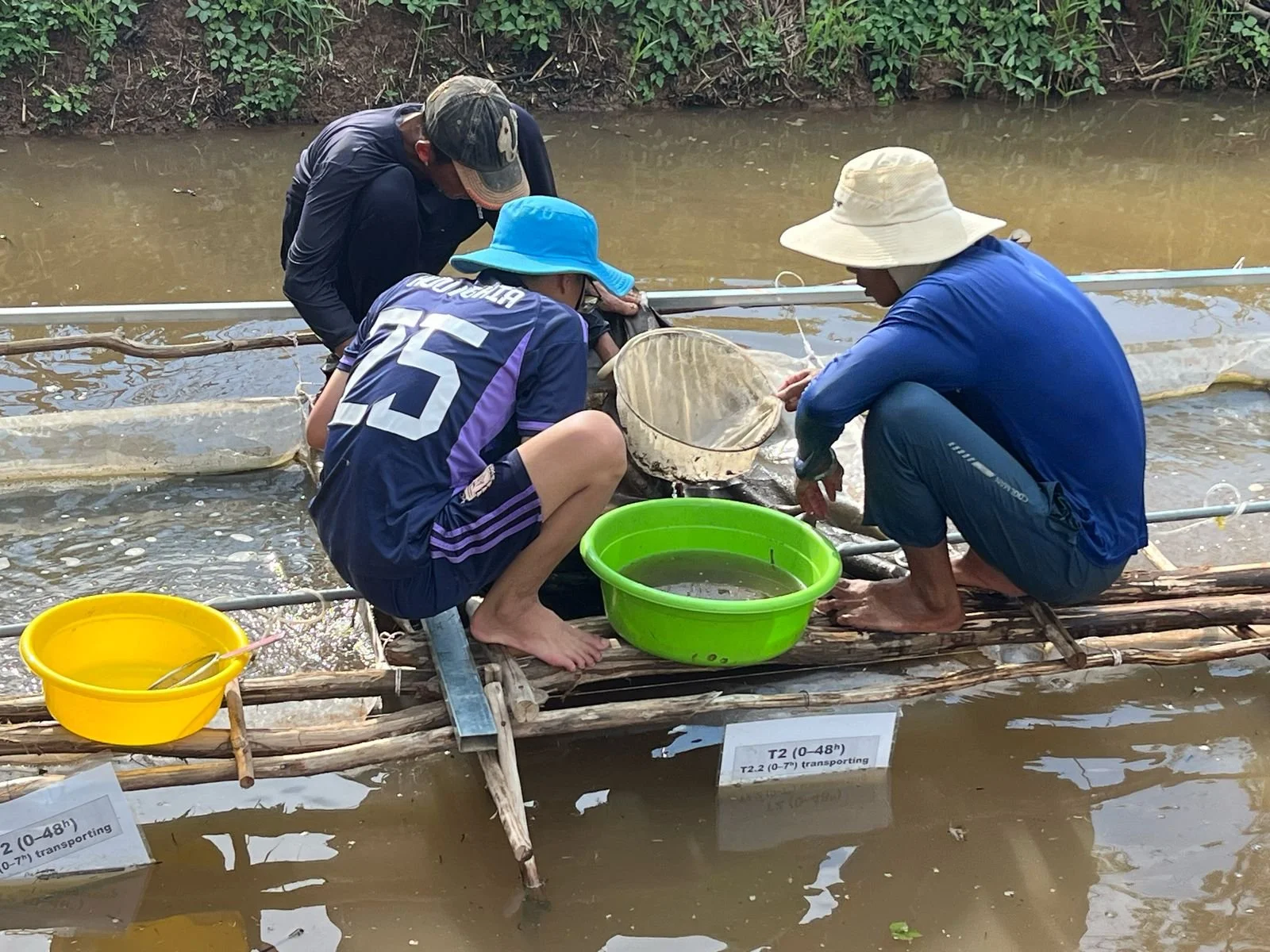
During October 2024, Simão Zacarias attended the Responsible Seafood Summit in St Andrews – Scotland and presented on “The Paths to Viable Alternatives to Shrimp Eyestalk Ablation”
Dr Richard Newton participated in the “International Fisheries and Aquaculture Conference - Ways to a Circular Economy” in September 2024 in Madrid, Spain, representing the SAFE project.
The EU funded SmartAqua4FuturE (SAFE) project held its third annual consortium meeting in Szczecin (Northern Poland) in September 2024.
With supporf from the Fishmongers’ Company, the Institute of Aquaculture recently hosted a workshop on conservation aquaculture for wild Atlantic salmon management.
Stirling members of the SAFE project team joined the major AQUA2024 Conference from 26-30th August in Copenhagen.
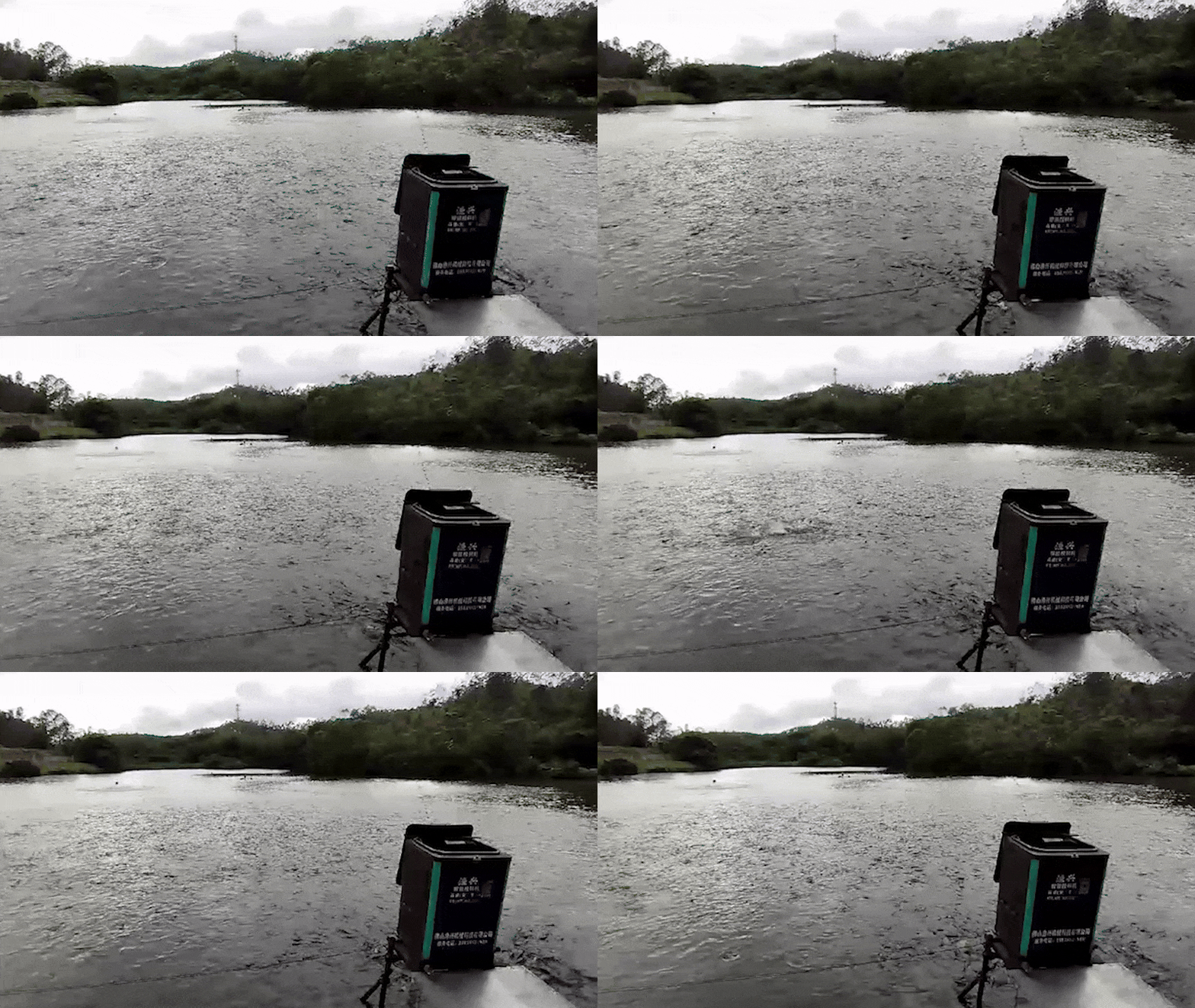
Participants from the EU funded SAFE project visited carp farms in the Chinese Province of Guangdong.to collect data on the farming systems there.
As part of the Small Tilapia Matters project we have produced a spreadsheet to help compare tilapia production strategies in tropical cages.
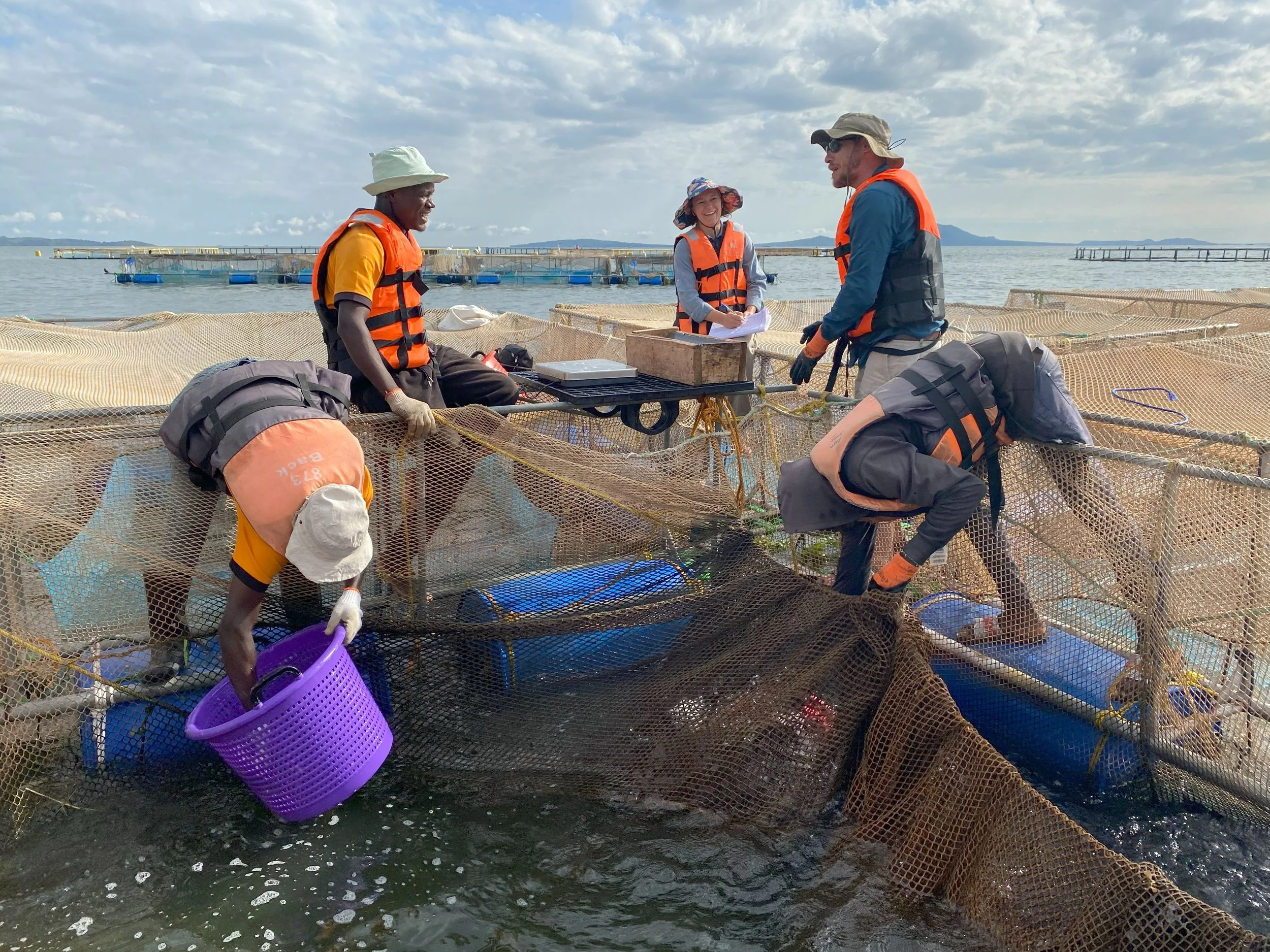
Dr Alexander Kaminski answers questions about his recent publication “Growing smaller fish for inclusive markets? Increasing stocking density and shortening the production cycle of Nile tilapia in cages on Lake Victoria”
Professor David Little shares his contribution to a workshop on fish seed supply for aquaculture organised by the FAO in Szarvas, Hungary.
Richard Newton, Wesley Malcorps, Bjorn Kok and David Little recently worked with colleagues from the Universities of Cambridge, Lancaster and Aberdeen to look at how micronutrients in feed fish could be most efficiently utilised for human nutrition.
A third call for research proposals will be launched with a Webinar on 3rd September 2026.
Prof. Dave Little presented recent research with Thai consumers concerning willingness to pay for higher welfare tilapia.
In this episode, Dave Little talks with Reed Ozretich who specialises in a One Health approach to aquaculture in the context of a changing climate
Researchers discuss a comparative production trial between mixed-sex and conventional all-male stocks of tilapia farmed in cages in Thailand and implications for producers and policy makers.
Dr Abdullah-Al Mamun describes his research into the livelihoods and nutrition of coastal shrimp farming communities in Southwest Bangladesh.
Dr Wenbo Zhang makes the case that freshwater aquaculture dominates global aquaculture production, but its importance is often overlooked in global food-policy agenda and research.
Richard Newton shares his work on the idea of ecologically responsible intensification of fish farming through improvements in farming efficiency and the reuse or repurposing of waste products throughout our supply chains
Professor Dave Little talks with Wesley Malcorps about his study on the nutritional characterisation of European aquaculture processing by-products, to facilitate strategic utilisation.
Professor Dave Little talks with Wesley Malcorps about his observational study of the messaging by companies at major seafood shows in Europe, Asia and America.
Simao Zacarias explains the importance of the characteristics of the shrimp production system on the nature and level of Greenhouse Gas (GHG) emissions that cause global warming.
Dave Little speaks with researcher Alexandra Pounds about her work studying the evolution of decentralised rice-fish fingerling production in North West Bangladesh
Professor David Little talks to researcher Stephanie Horn about her work in Bangladesh assessing the environmental and nutritional impact of different tilapia farming technologies.