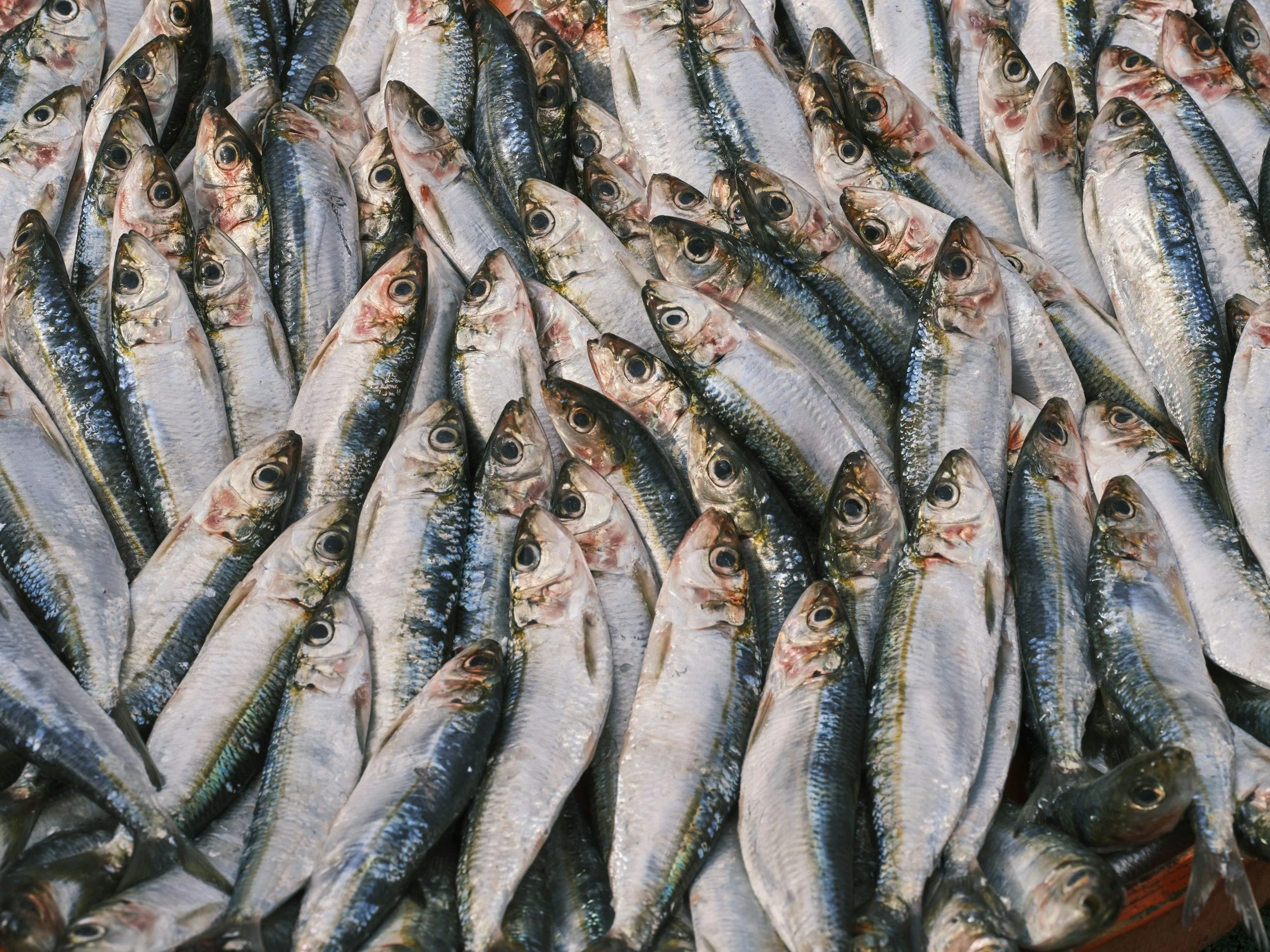
The use of capture fishery resources as a feed ingredient for farmed fish has become increasingly controversial in recent years. In a new article in The Conversation, Wesley Malcorps, Richard Newton and Umair Choksy unpack the issues with insights from recent research into the global marine ingredients sector and consideration of utilisation efficiency for human nutrition.
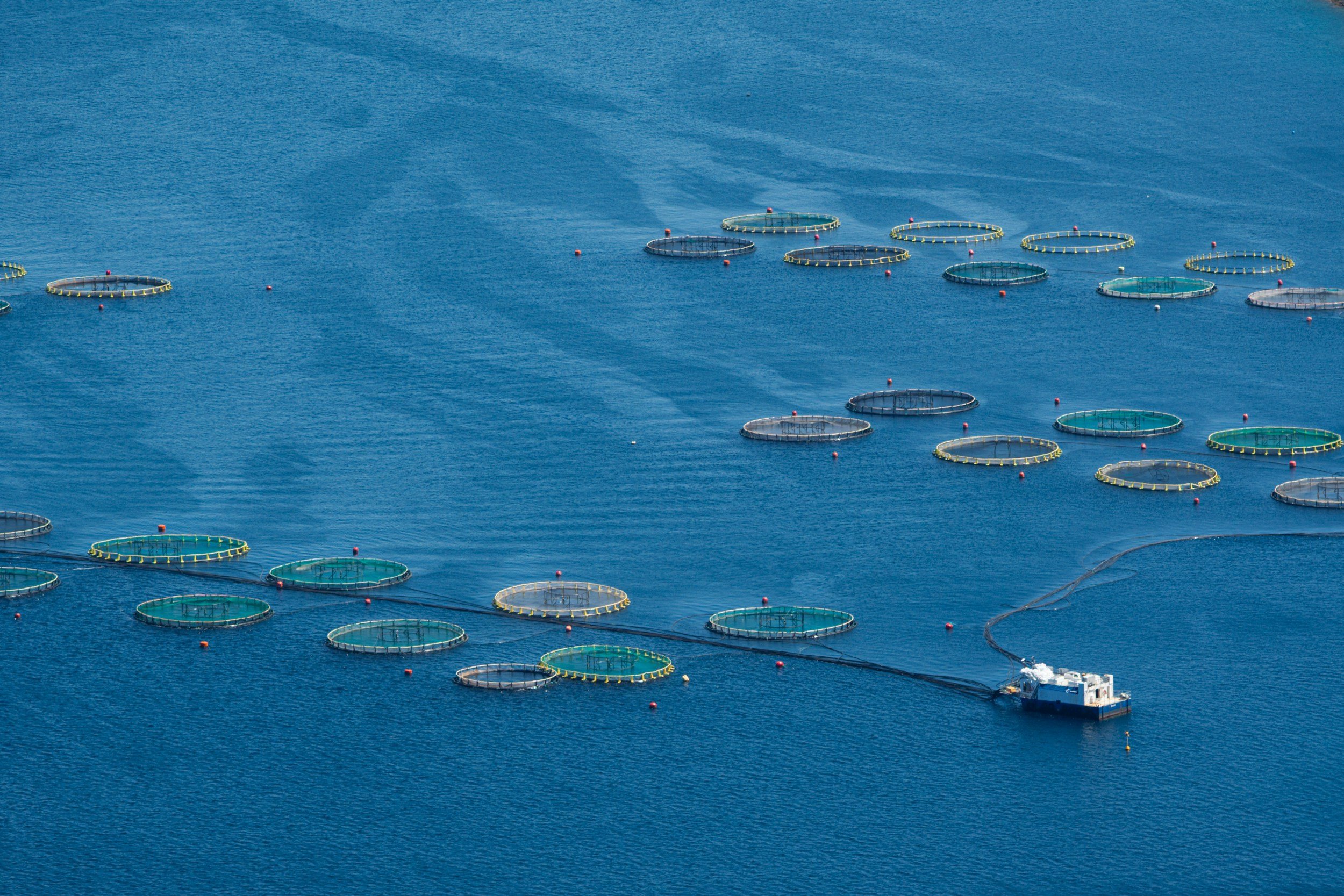
Fish reared in cage and tank systems usually require feeding with compounded diets that are nutritionally balanced, meet fish welfare requirements and produce nutritious flesh for human consumers
The increasing utilisation of fish processing byproducts as a secondary source of fishmeal and oil has significant impacts. For instance, although Faroese salmon is often viewed as a major consumer of marine ingredients, the authors found it was actually a net producer of edible omega-3 fatty acids. This was achieved by upcycling valuable nutrients from inedible sources (fishery by-products) into a nutritious farmed product, without increasing the need for fish that could be consumed directly by humans.
Read the full article in The Conversation…
Photo Credits: Fish banner - Engin Akyurt; Fish cages - Norbert Buduczki (Both from Unsplash)