In this blog, Thanh Le (AFWN supported MSc Scholar 2025-26) shares some results from her MSc research project in Vietnam
Tilapia production is becoming increasingly important in Vietnam, particularly in the Mekong Delta. But as fish move from nurseries to farms, through transport, and eventually to live markets, their living conditions can change considerably. My MSc research used physiological biomarkers, physical welfare indicators and environmental factors to explore what these changes may mean for tilapia welfare.
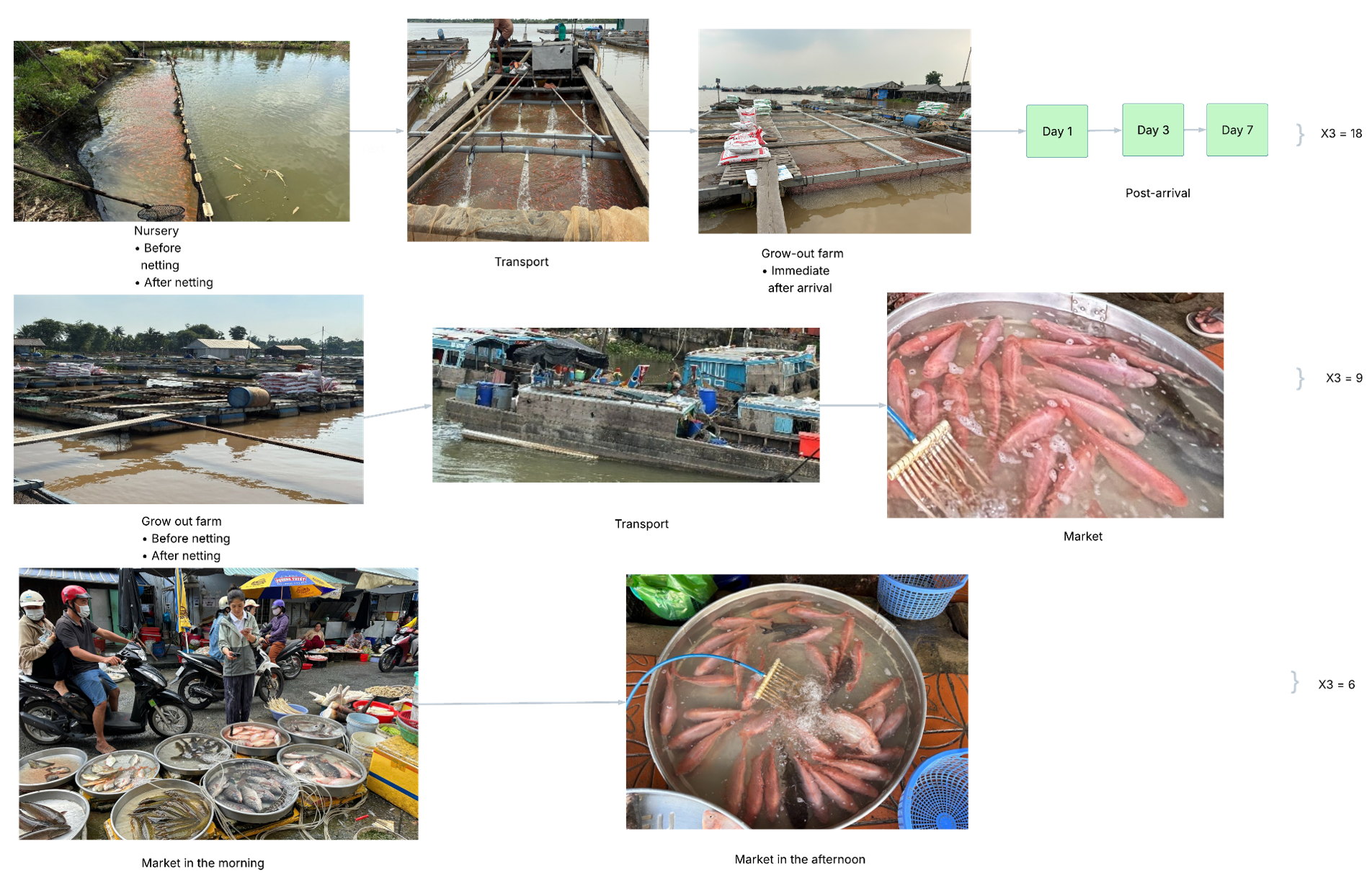
Multi-stage sampling along value-chain
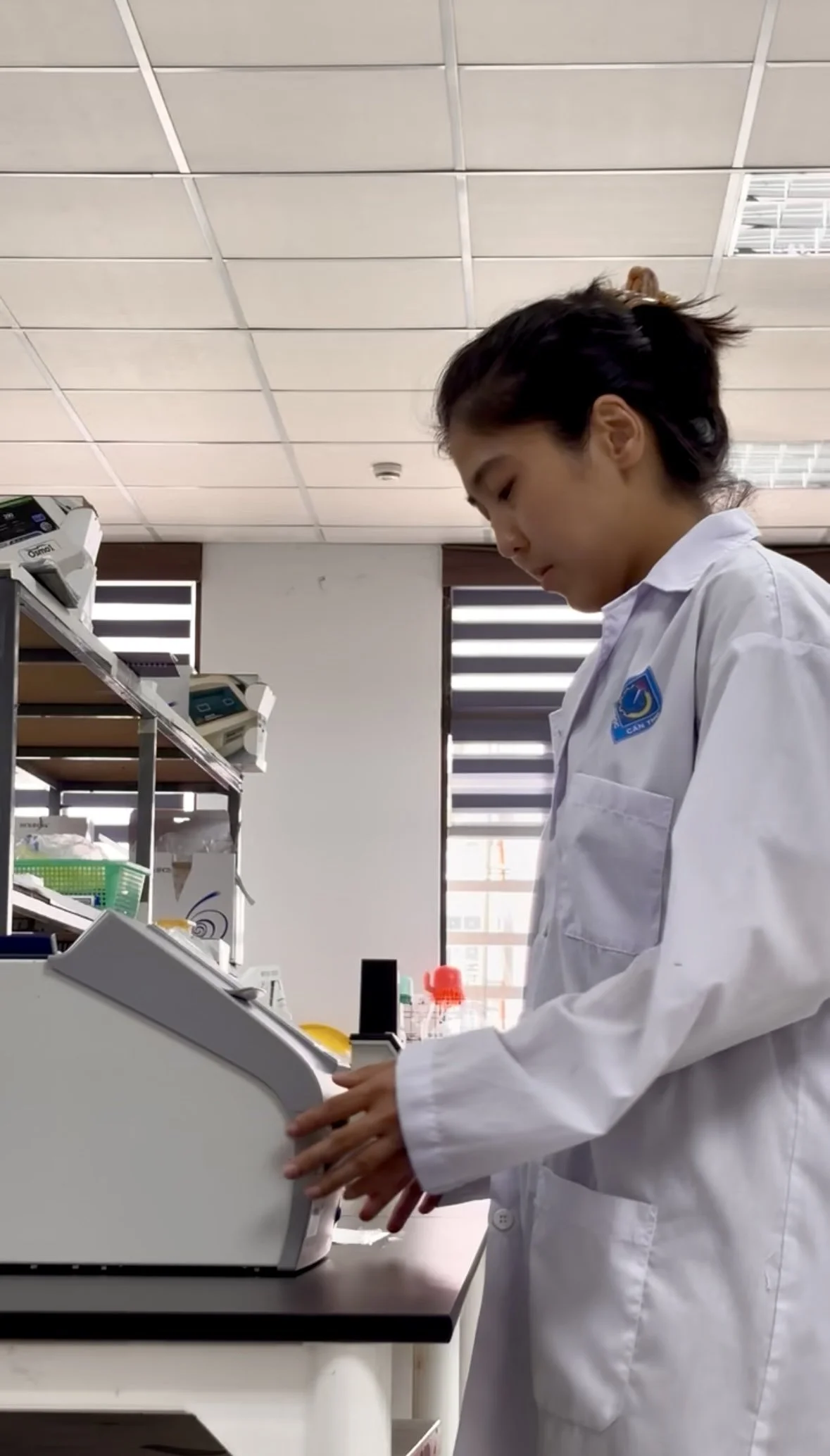
To assess physiological responses, I used non-invasive mucus sampling to measure cortisol and glucose. Cortisol is a widely recognised physiological biomarker used to indicate stress responses in fish. Glucose is another useful indicator because changes in metabolic activity during stressful situations can affect blood and mucus glucose levels. Alongside these measurements, I assessed fish physical condition through photographs and monitored environmental parameters such as dissolved oxygen and temperature. Together, these approaches provided a broader picture of fish welfare under commercial production conditions.
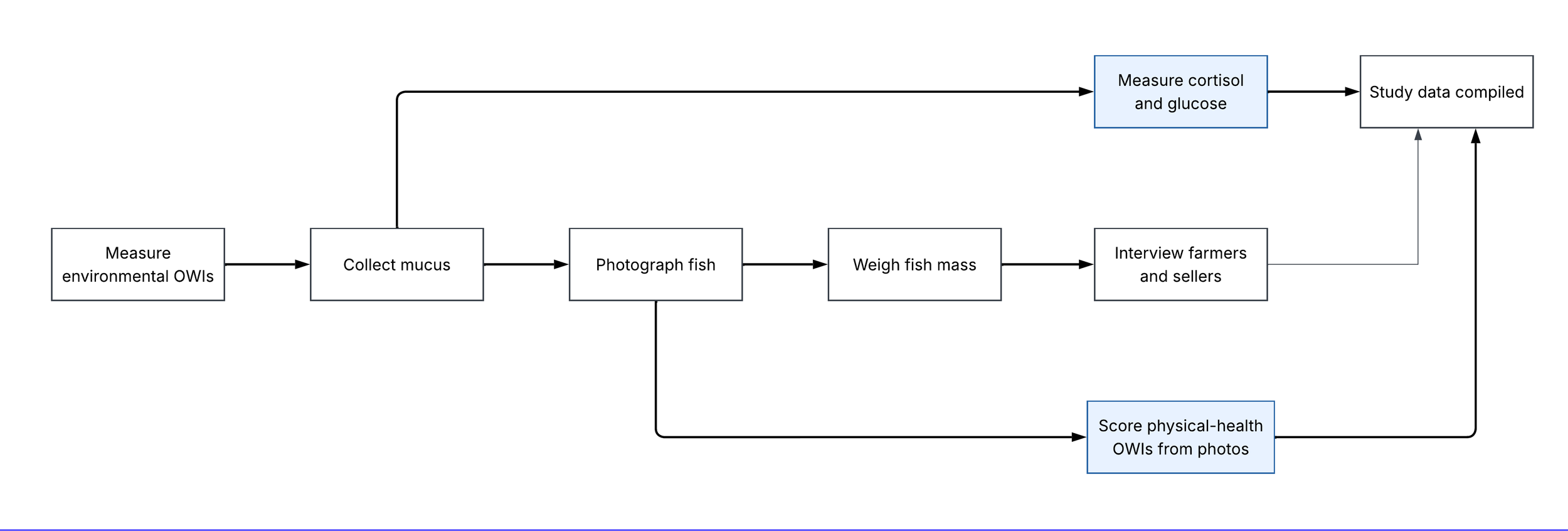
Flow chart of research activities
The results suggest that stress was not evenly distributed across the value chain.

Among the production stages examined, market fish showed the highest overall mucus cortisol concentrations. This was accompanied by some of the most concerning physical welfare findings. Skin and fin damage became increasingly common towards the market stage, with skin condition showing the greatest deterioration.
However, the results also showed that markets were not all the same. Cortisol responses varied substantially between market locations and sampling times. This suggests that local management practices and holding conditions may be important, rather than simply treating all markets as having the same welfare outcome.
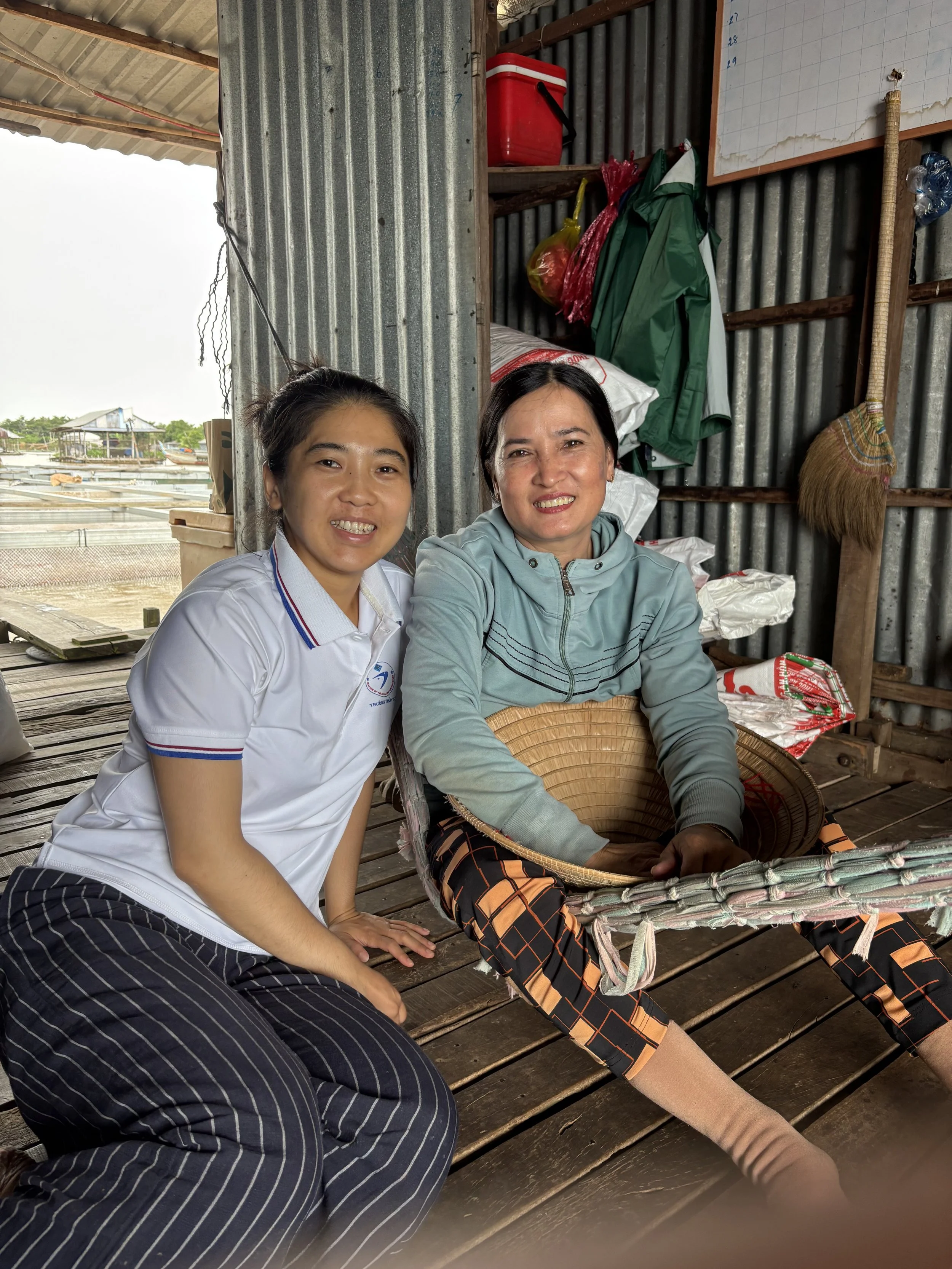
One of the most interesting findings came from the nursery to farm stage. The strongest cortisol response was not necessarily observed immediately after transport. This suggests that the physiological consequences of a stressful event may continue during the recovery period. This finding is important for welfare monitoring because it highlights the need to consider what happens after transport, not only the journey itself.
Grow-out fish generally showed the lowest mucus cortisol concentrations in the study. However, this should not be interpreted as meaning that grow-out conditions were necessarily free from welfare challenges. Stress responses can depend on factors such as life stage, timing and the type of challenge experienced. The relatively low cortisol observed at grow-out may therefore reflect differences in the timing of the physiological response as well as differences in the conditions themselves.
Another important finding was that cortisol and glucose did not show the same patterns.
Cortisol showed clearer differences between production stages, whereas glucose was more variable and was only weakly related to cortisol and most other measured variables. Glucose can also change during stress as energy metabolism is activated, and cortisol can contribute by stimulating the mobilisation of stored energy. However, glucose does not always rise in parallel with cortisol. Feeding status and energy reserves matter too: studies of fish blood glucose show that fed and food-deprived fish may have different baseline levels and responses to a stressor. The two biomarkers therefore provide complementary, not interchangeable, information.
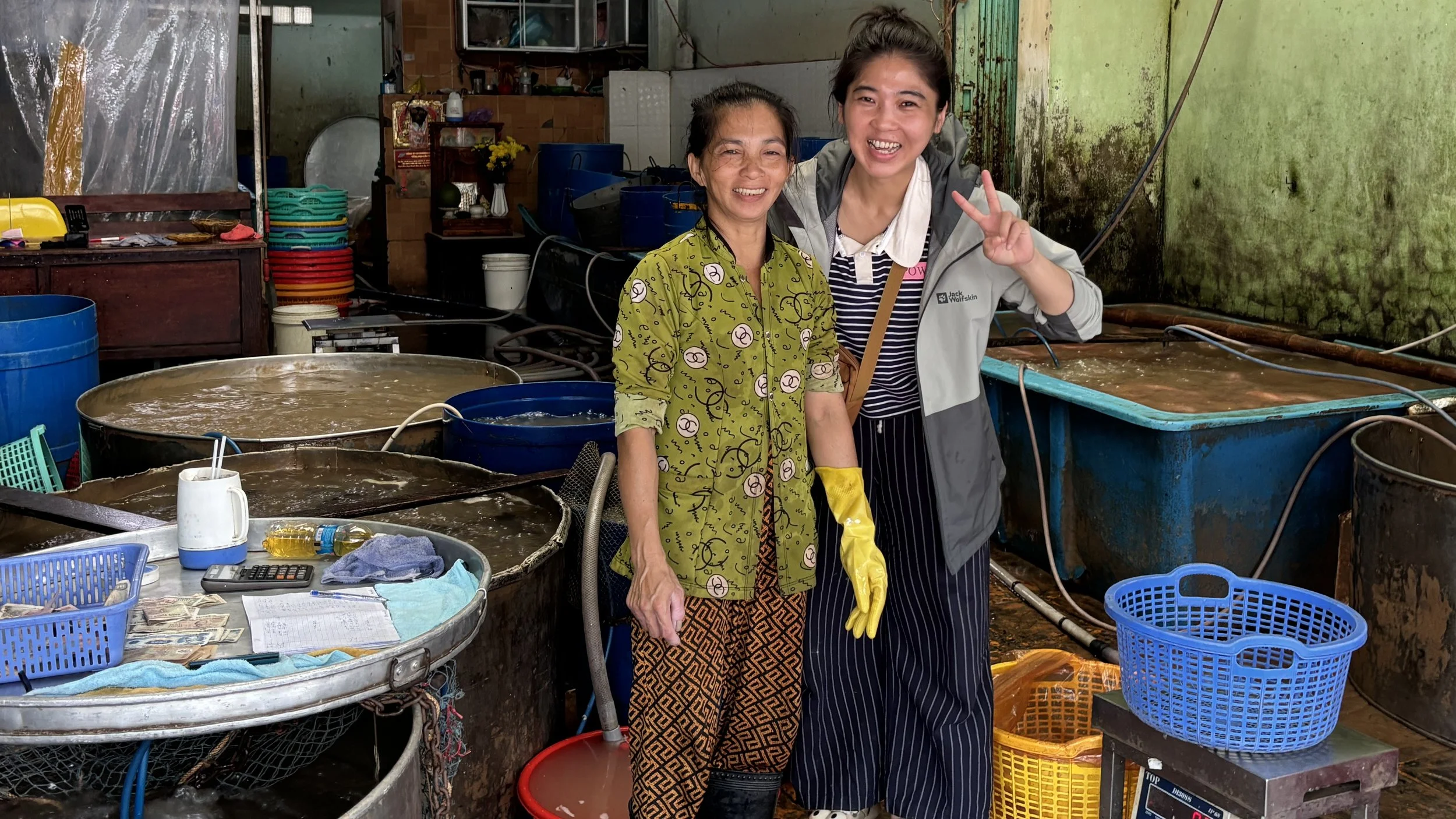
The broader analysis also showed that physical condition and environmental factors contributed strongly to differences between sampling points. In particular, skin and fin condition were associated with environmental gradients involving dissolved oxygen and temperature.
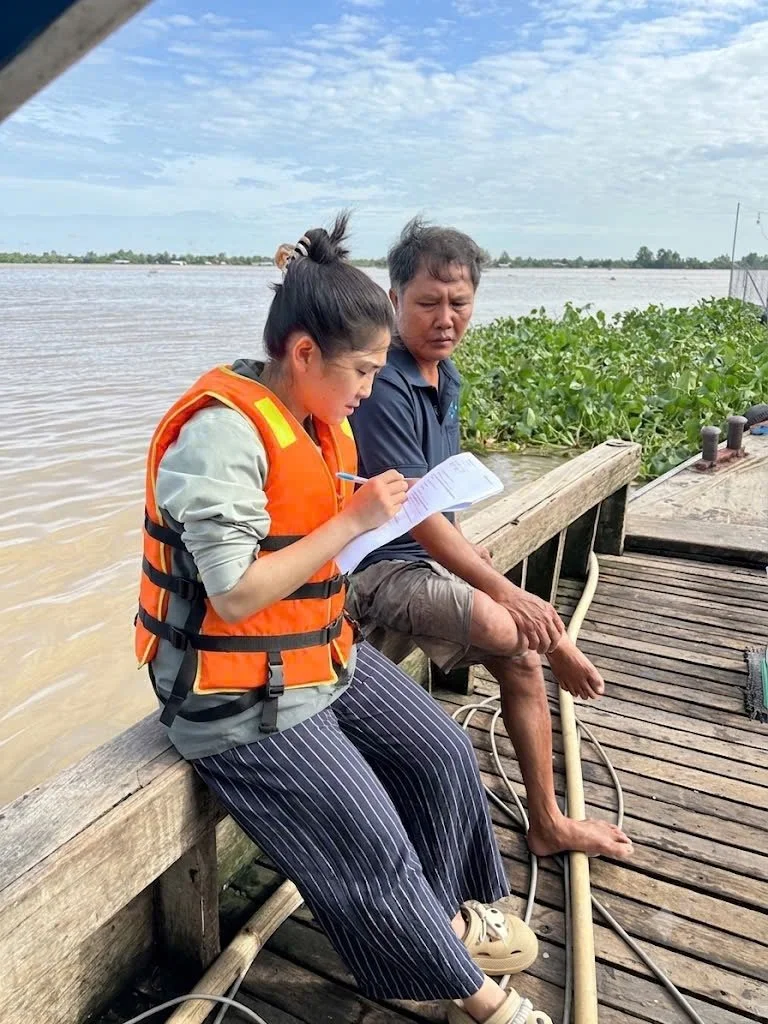
This reinforces an important principle in fish welfare: no single measurement can capture the whole welfare picture.
The study also suggests that the potential value of non-invasive mucus biomarkers for understanding physiological responses under commercial conditions. From nursery to farm, from transport to market, every stage of the journey can matter. Understanding those changes is an important step towards identifying where practical improvements in tilapia welfare may be possible.