The BBSRC-funded IMAQulate project held its second annual progress and planning meeting in Bhimavaram, Andhra Pradesh, from 9th-15th January 2018. Partners from the UK, India, Bangladesh and Kenya met to discuss the progress made in situation analyses of PHP use on farms, hatcheries and nurseries, as well as microbiological analyses of PHP products and extraction and isolation of saponins from a variety of natural sources to test potential beneficial effects on fish immunity.
IMMANA Project Nutrition-sensitive aquaculture - charting the future for everyday superfoods
Professor Little writes from Cambodia:
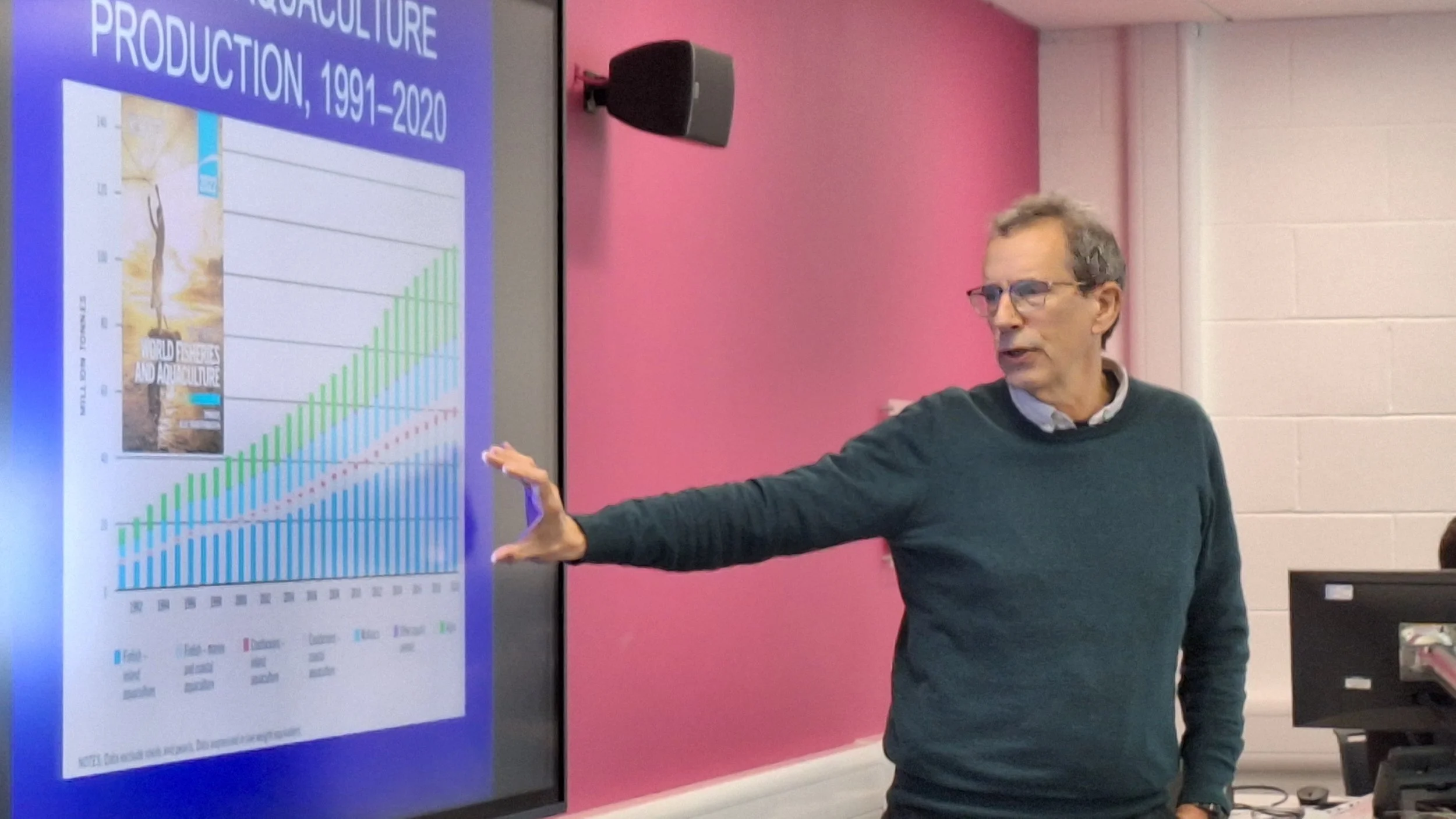
I’m in Siem Reap Province, Cambodia, home to the UNESCO World Heritage centre Angkor Wat, where a global workshop on nutrition-sensitive fish agri-food systems is just finishing.
Happy New Year from all of us in the Sustainable Aquaculture Group Best wishes for 2018
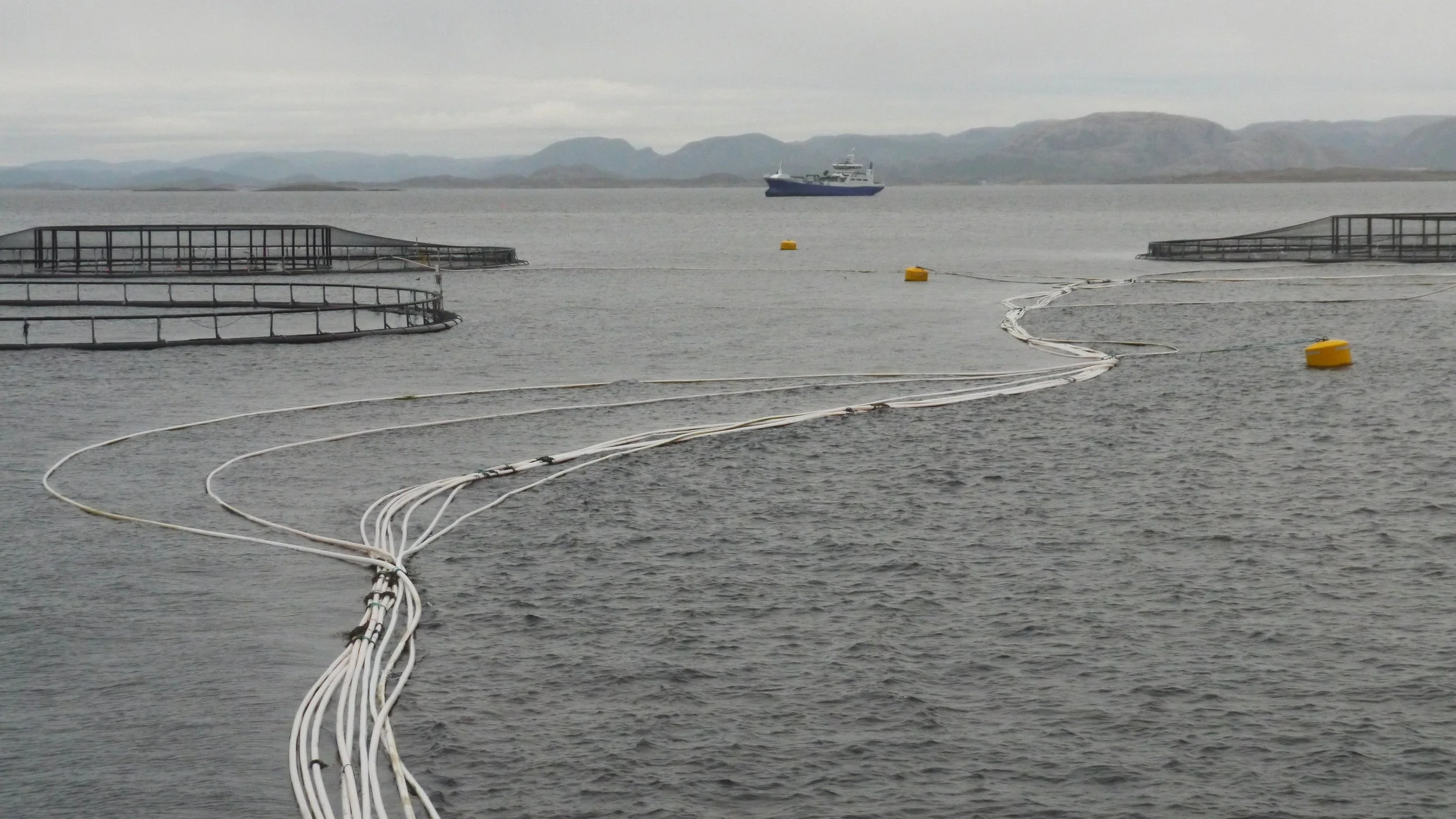
Stirling to lead study on Closed Containment Systems in Scotland
Stirling takes part in a conference on Aquaculture in Central and Eastern Europe
Dimitar Taskov, a PhD student representing the Institute of Aquaculture at Stirling University, gave a talk titled “Overview and financial performance analysis of the Bulgarian aquaculture sector” at the Network of Aquaculture Centres in Central-Eastern Europe’s (NACEE) Conference in Gorki, Belarus on 29th Nov 2017.
BlueEDU project meets in Stirling
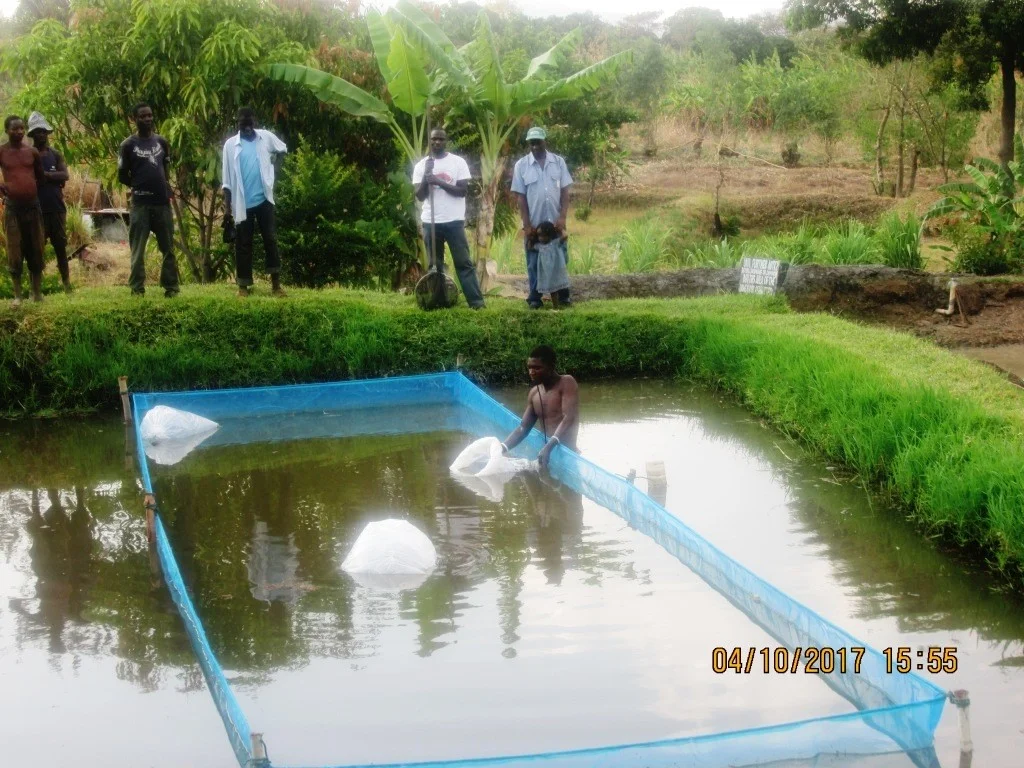
Scottish Govt SHASP Hatchery Project Malawi
Visit from Shanghai Ocean University
How safe is it to consume imported farmed warm water shrimp? …and does this match consumer perceptions?
The Rise of Aquaculture By-products
Following on from work with The Marine Ingredients Organisation (IFFO) investigating potential to increase global fishmeal and fish oil supplies from by-products, Julien Stevens, built on the work of Dr. Richard Newton, first in an MSc project and then with a follow up project to investigate how by-products from Scottish farmed salmon are utilised, and how value and efficiency could be added.